


Why are only human females not in estrus?
The first set of questions the researchers set out to address focused on physiology rather than psychology: What is the nature of a woman's fertility during her menstrual cycle? What might be its mechanism? This is a question that researchers have been pursuing seriously since 1890. Consensus reached in 1930 suggested that ovulation occurs in the middle of the menstrual cycle, not during menstruation as previously thought. The research at that time lacked the thinking of experienced natural selection theorists: they looked at the problem from a comparative perspective and believed that humans evolved from lower animals, with differences only in degree, not in type. Because all farmed animals have been observed to have estrus at the time of ovulation, it was hypothesized that women also experience estrus at the time of ovulation. The researchers further propose that ovarian hormones, primarily estrogen, play an important role in women after estrus, as has been demonstrated in non-human female mammals.
In the 1930s, these assumptions guided psychological investigations, the first of which investigated women's sexual behavior patterns throughout the menstrual cycle. Two popular views about estrus and its properties present researchers with two predictions. First, women will experience an increase in sexual orientation, sexual motivation, and sexual behavior during the middle of the menstrual cycle. Second, their male partners will find women more sexually attractive during the days in the middle of their menstrual cycle. People have tried for decades to verify this prediction, but the results have been confusing. Some studies have found that women's sexual desire is indeed highest in the middle of the menstrual cycle, while others have found that it is during the non-fertile period, and other studies have shown that there is no change throughout the cycle. Similarly, different studies have not proven that women's fertility can influence men's sexual interest and needs. By the 1960s, there was no conclusive evidence that estrus existed in women. A popular and mature point of view finally emerged: in the evolution of human beings, women lost their estrous period. This discovery, in part, led researchers and theorists to naturally ask and explore the next question: Why do women's estrous periods disappear?
For this question, many predictions are undoubtedly affected by some factors, such as why do those species, including our ancestors, have the function of estrus? Pigs, cows, dogs, etc. all become active in intercourse during the estrous period, because only at this time can they become pregnant and can they actively receive sperm. Estrus fulfills the need for sperm capacitation. The phenomenon whereby female animals become sexually active during estrus is called mammalian reproductive biology. From this point of view, since women do not have an estrous period, there is no need for them to have sexual intercourse just to receive sperm.
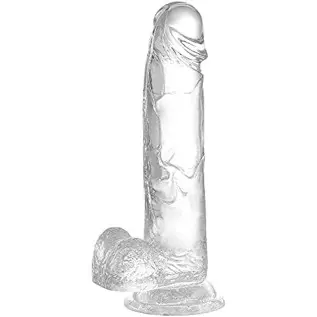

- -15%
7.3 inch Soft Realistic Dildo, Human Safety Material, with Powerful Suction Cups, Suitable for Women/Men/Gay, Adult Toys for Wom
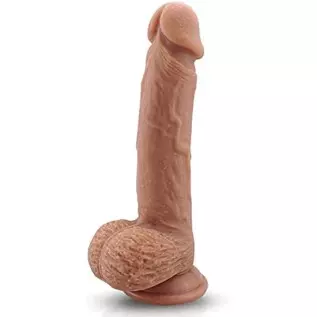
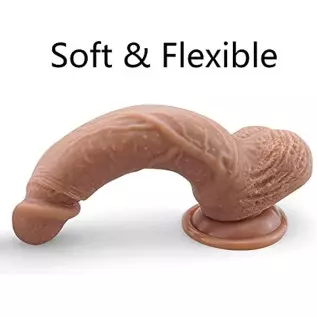
- -15%
9 Inch Silicone Realistic Dildo Soft Large Dildos for Women with Strong Suction Cup for Hands-Free, Flexible Dual Density Penis
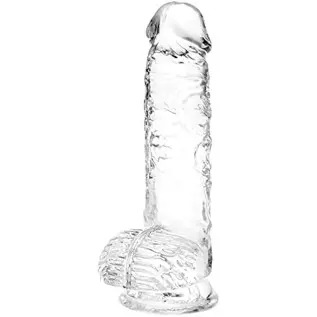

- -15%
Realistic Dildo G Spot Stimulator- 8.2" Big Dildos with Suction Cup Adult Sex Toy for Women/Men/Gay, Flexible Clear Dildo for Wo
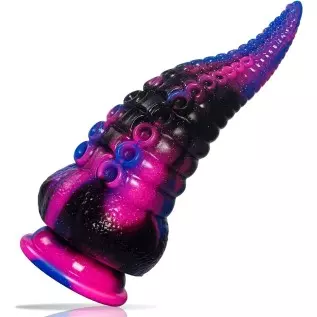
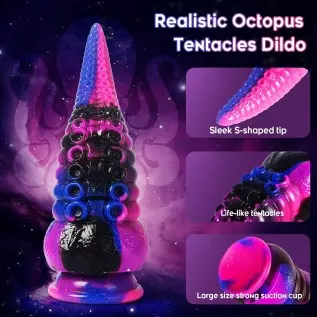
- -15%
Tentacle Realistic Dildo for Women: 8.7" Big Anal Dildo with Strong Suction Cup, Huge Monster Liquid Silicone Anal Plug Prostate
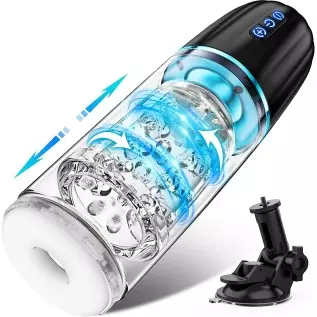

- -20%
Automatic Male Masturbators Cup, Male Masturbator Toy with 7 Thrusting & Rotating, 50dB Quiet Hands Free Pocket Pussy Stroker, 3
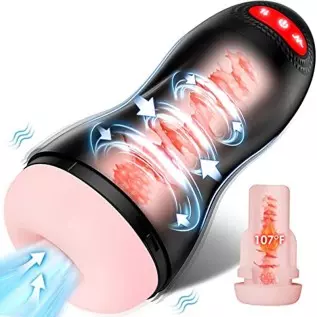
- -20%
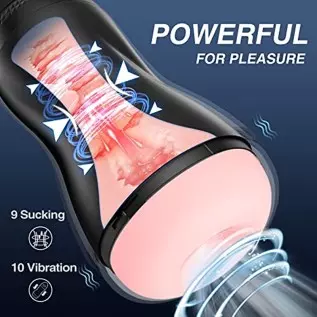
Automatic Male Masturbator, Sucking Male Masturbators Cup with 9 Suction & 10 Vibrating & Heating Mens Male Sex Toys, Hands Free


- -20%
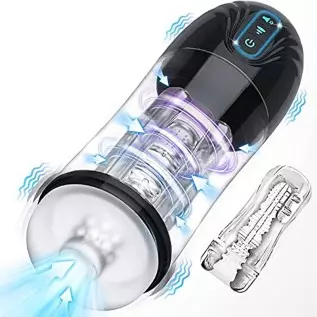
Automatic Male Masturbator, Sex Toy Male Masturbator Toy with 7 Thrusting & Rotating, Electric Pocket Pussy for Man Masturbation

- -20%

