


The 360-year history of condoms
As early as 2000 BC, condoms appeared in the lives of ancient Egyptians. At that time, they were called condoms. Their function was not to prevent diseases or contraception. They were used as decorations like the jewelry worn by women. , men usually hang it on their bodies as a symbol of wealth and status.
More than 1,000 years ago, ancient Egyptians began to use the bladders or cecums of goats, pigs and other animals to make condoms. From that era, condoms were used to protect against disease and infection. In the Cambariles Caves in the Dordogne region of southern France, some condom murals created in more than 100 AD were discovered, which are regarded as the earliest evidence of condom use in Europe.
The oldest existing condom in the world was created around 1640. It was made from fish bladders and animal intestines and has a history of more than 300 years. One end of the condom is sewn tightly with silk thread, and the opening at the other end can be locked to prevent slipping. According to records, this type of condom is difficult to use immediately when needed, because the condom must be soaked in warm milk overnight before use. The 10 condoms found at Dudley Castle near Birmingham, England, had been on display at a sex exhibition in the Netherlands and were now as dry and hard as dead leaves due to their age.
The modern condom was born in England in the 17th century. It was made from the cecum of a lamb and was mainly used to prevent diseases.
References to condoms appear in the experimental records of Faropius, an anatomist at the University of Padua in Italy in the 16th century. He provided the first public description of the experimental use of condoms to prevent disease that has ever been discovered. The earliest written records about condoms.
At the end of the 15th century, Columbus discovered the New World. At the same time, sailors brought syphilis back to Spain from the Americas, and syphilis began to spread in Europe. Soon after, Faropis invented a condom made of linen and conducted an experiment using the condom on 1,100 men. None of them contracted syphilis. At this time, the main function of condoms is to prevent the spread of sexually transmitted diseases rather than contraception.
At the end of the 17th century, the British physician Joseph. Condem invented the modern condom, which was made from the caecum of a lamb. Condem first cut the sheep intestine to an appropriate length, dried it in the sun, and then used softeners such as grease and wheat bran to make it soft until Becomes thin and rubbery.
Beginning in the 18th century, people began to pay attention to the contraceptive efficacy of condoms.
Condoms made from animal intestines became widely known in the 18th century and quickly became popular. At this time, condoms were not only used to prevent diseases. People began to pay attention to their effectiveness in contraception and truly used them as male contraceptive tools. Since then, condoms have been nicknamed condoms. At the same time, the Japanese used two types of condoms, one soft made of leather and the other hard made of turtle shells or animal horns.
From this time on, condoms were promoted as a commodity, and stores specializing in selling condoms began to appear. By 1766, many stores began to produce leaflets and advertisements about condoms.
The materials used in modern condoms are constantly improving, ranging from rubber and latex to the latest single polyurethane.
In 1843, Goodyear and Hancock invented the revolutionary rubber vulcanization method. They heated raw rubber with sulfur. This process could turn rubber into a strong and elastic material. From this time on, rubber condoms began to replace condoms made of linen and animal intestines. Condoms began to be mass-produced, with more reliable quality and cheaper prices.
In the late 19th century, scientific and technological advancements continued to improve condom production processes, and latex condoms became popular. The first latex condom was invented by Dutch physicist Arlette. Dr. Jacobs invented it in 1883. Due to the thin and soft latex, condoms are safer and more comfortable to use, and they have become very popular after they were launched.
By the early 1930s, condom manufacturing technology was revolutionized again, with liquid latex replacing the traditional rubber sheet, which is still the basic raw material for condoms today. In the 1990s, there was a recent development in condom materials, and condoms were produced using a single polyurethane as raw material. The toughness of a single polyurethane is twice that of latex, making condoms thinner and more sensitive.
The basic shape of modern condoms is cylindrical with a seminal vesicle at the top. According to international standards, the longest condom is 198 mm. Currently, condoms on the market are divided into three types: large, medium and small. The diameter of the large size is 35 mm, the diameter of the medium size is 33 mm, and the diameter of the small size is 31 mm. The choice of condom model should be based on different personal circumstances. Experts suggest that when using condoms for the first time, you should first use a medium size, and if it is not suitable, switch to a large or small size.
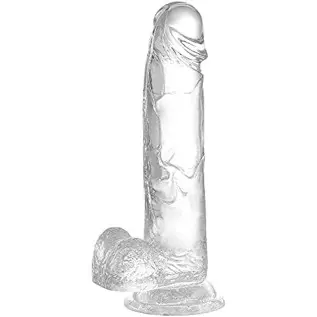

- -15%
7.3 inch Soft Realistic Dildo, Human Safety Material, with Powerful Suction Cups, Suitable for Women/Men/Gay, Adult Toys for Wom
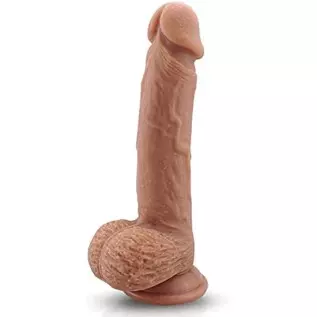
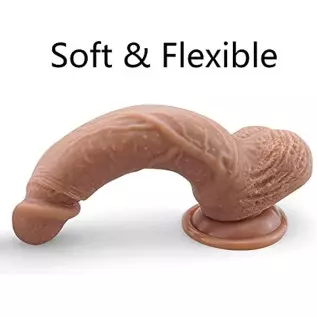
- -15%
9 Inch Silicone Realistic Dildo Soft Large Dildos for Women with Strong Suction Cup for Hands-Free, Flexible Dual Density Penis
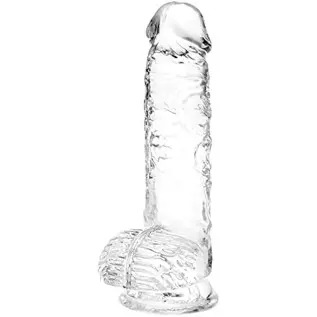

- -15%
Realistic Dildo G Spot Stimulator- 8.2" Big Dildos with Suction Cup Adult Sex Toy for Women/Men/Gay, Flexible Clear Dildo for Wo


- -15%
Tentacle Realistic Dildo for Women: 8.7" Big Anal Dildo with Strong Suction Cup, Huge Monster Liquid Silicone Anal Plug Prostate


- -20%
Automatic Male Masturbators Cup, Male Masturbator Toy with 7 Thrusting & Rotating, 50dB Quiet Hands Free Pocket Pussy Stroker, 3

- -20%
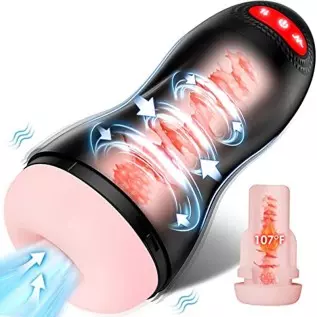
Automatic Male Masturbator, Sucking Male Masturbators Cup with 9 Suction & 10 Vibrating & Heating Mens Male Sex Toys, Hands Free


- -20%
Automatic Male Masturbator, Sex Toy Male Masturbator Toy with 7 Thrusting & Rotating, Electric Pocket Pussy for Man Masturbation


- -20%