


Male sexual organ diseases are not suitable for sexual life. Women need to pay attention to sexual health
Although some men's sexual organ diseases are not sexually transmitted diseases, it is not advisable to have sex to avoid aggravating the condition or affecting the woman.
Male sexual organ diseases are not suitable for sexual life
① Congenital malformations of sexual organs, such as abnormal external genitalia, severe hypospadias, etc. The patient's urethral opening does not open at the end of the penis head, but opens in the body of the penis or the perineum, etc., which will cause obstacles to penile erection and hypospadias. Can affect ejaculation.
② Acute inflammation of sexual organs, such as orchitis, epididymitis, spermatic corditis, prostatitis, seminal vesiculitis, etc., especially during the acute attack period, sexual life should be prohibited, because sexual organs are highly congested and edema during sexual intercourse, and sexual stimulation will aggravate the condition and cause complications. Increased discomfort.
③Special infections of sexual organs, such as tuberculosis, sexually transmitted diseases, trichomoniasis, etc. Having sex during the illness will aggravate the condition and also transmit the disease to your spouse.
④ Certain sexual organ tumors, such as penile cancer, testicular cancer, prostate cancer, etc., must stop sexual life, otherwise sexual intercourse can accelerate the blood circulation of sexual organs, increase the risk of cancer cell metastasis, and is also detrimental to women's health.
⑤Skin diseases of sexual organs, such as warts on the penis, eczema on the scrotum, etc., will increase the chance of secondary bacterial infection due to unclean intercourse, so sexual intercourse can only be performed after the condition is basically controlled. In addition, sexual life should also be stopped if you have a urinary system infection, especially if you suffer from urethritis or cystitis.
Women also need to pay attention to sexual health
(1) Frequency and hygiene of normal sexual life. The frequency of sexual intercourse is closely related to personality, physique, age, occupation, etc. The frequency of sexual intercourse varies greatly between couples, even within the same couple in different circumstances, working conditions, emotional and physical health. Generally speaking, the frequency of sexual intercourse is: 25 to 35 years old, twice a week; 35 to 50 years old, once a week; over 50 years old, 1 to 2 times a month. This principle is not suitable for some couples. The frequency of sexual intercourse between couples is mainly based on the principle that both parties will not feel tired the next day after sexual intercourse. If fatigue, general discomfort, loss of appetite, backache, and back pain occur the next day after sexual intercourse, and the woman has a feeling of bloating in the lower abdomen or mental uneasiness, it may be possible. If you live too frequently, you should stop for a period of time to help restore your physical strength. Both men and women should pay attention to the cleanliness of their external genitalia. Both parties should wash their vulva area with warm water every night. Men should turn up the foreskin and clean away the accumulation on the inside of the foreskin and the coronal sulcus; women should clean off the secretions from the labia majora and the vaginal vestibule, so as to avoid bringing bacteria into the vagina during sexual intercourse and causing vaginal discharge. Infect. It is not advisable to have sex after drinking alcohol, being overly excited, emotionally disturbed, physically unwell, or overtired for a while. The other party should show care and understanding, and do not force or force it. The most suitable time for sexual intercourse is before going to bed at night, because you will feel tired after sexual intercourse and then you can go to sleep, which is easy to restore your physical strength; the elderly can also sleep first and then have sexual intercourse after waking up. A wife should not have sex during her menstrual period. During menstruation, the entire pelvic cavity becomes congested and the endometrium sheds. The inner surface of the uterine cavity is a wound. If you have sex at this time, it is easy to cause pelvic infections, such as endometritis, salpingitis and pelvic inflammatory disease, which can cause the woman's pain and infertility.
(2) Sexual life during pregnancy and puerperium Women should completely refrain from sexual life in the early stages of pregnancy, that is, within the first 3 months of conception, because the stimulation of sexual intercourse will cause the uterus to contract and cause miscarriage. Women should also absolutely refrain from having sex in the third trimester of pregnancy, especially within one month before delivery, because the stimulation of sexual intercourse can cause uterine contractions and lead to premature birth. In addition, during sexual intercourse, sperm in semen can bring bacteria present in the vagina into the woman's pelvic cavity and cause infection. Women can have sexual intercourse in the second trimester of pregnancy, but they must be restrained and the movements should not be violent. Particular attention should be paid to the pressure on the woman's abdomen. If you are an older pregnant woman, or a pregnant woman with a history of multiple spontaneous abortions or premature births, you should stop having sex throughout the pregnancy. After a woman gives birth, it takes 6 to 8 weeks for the entire reproductive organs to gradually return to normal. Couples should also avoid sexual intercourse during this period.
(3) Sex life after menopause: After menopause, women's ovarian function decreases and estrogen levels in the body decrease, causing vaginal mucosa to atrophy and vaginal dryness and wetness, which can lead to pain during sexual intercourse and even difficulty in sexual intercourse. Postmenopausal women should have less sex, preferably once or twice a month. Investigations and studies have shown that postmenopausal women who have no sexual life at all can cause significant vaginal atrophy. If they still maintain an appropriate amount of sexual life, vaginal atrophy can be delayed. Therefore, appropriate sexual life is beneficial to the elderly.
(4) Sexual life must be carried out between couples in a legal marriage. Both spouses must avoid all abnormal extramarital sexual intercourse; they must also avoid abnormal anal sex, oral sex, masturbation, etc. This is the most reliable way to prevent sexually transmitted diseases. Assure.
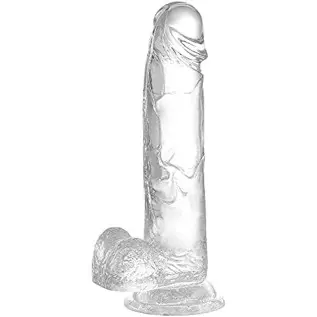

- -15%
7.3 inch Soft Realistic Dildo, Human Safety Material, with Powerful Suction Cups, Suitable for Women/Men/Gay, Adult Toys for Wom


- -15%
9 Inch Silicone Realistic Dildo Soft Large Dildos for Women with Strong Suction Cup for Hands-Free, Flexible Dual Density Penis
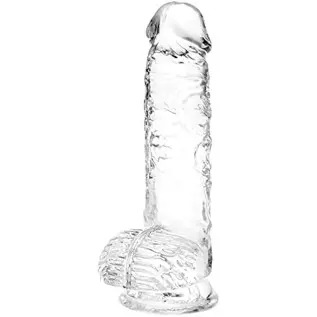

- -15%
Realistic Dildo G Spot Stimulator- 8.2" Big Dildos with Suction Cup Adult Sex Toy for Women/Men/Gay, Flexible Clear Dildo for Wo


- -15%
Tentacle Realistic Dildo for Women: 8.7" Big Anal Dildo with Strong Suction Cup, Huge Monster Liquid Silicone Anal Plug Prostate
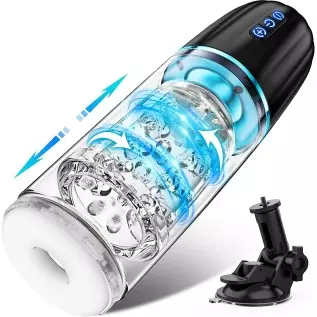

- -20%
Automatic Male Masturbators Cup, Male Masturbator Toy with 7 Thrusting & Rotating, 50dB Quiet Hands Free Pocket Pussy Stroker, 3
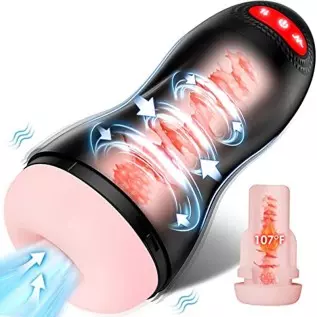

- -20%
Automatic Male Masturbator, Sucking Male Masturbators Cup with 9 Suction & 10 Vibrating & Heating Mens Male Sex Toys, Hands Free


- -20%
Automatic Male Masturbator, Sex Toy Male Masturbator Toy with 7 Thrusting & Rotating, Electric Pocket Pussy for Man Masturbation


- -20%

