


About ovulation bleeding What should I do if I ovulate bleeding?
Some young ladies often experience a small amount of blood flowing out of the vagina a week after normal menstruation. The color is dark red or bright, with no special smell. Generally, there is no special feeling, and sometimes there is a feeling of abdominal distension. I went to the local hospital for a checkup, but couldn't find out the cause, so I felt very nervous. In fact, this is not a terrible pathological change in my body, but bleeding during ovulation. "Ovulation bleeding" refers to a small amount of vaginal bleeding caused by ovarian ovulation in the middle of two menstrual periods. Women's normal menstruation usually lasts for 28 days to 30 days (it can also fluctuate for 3 days to 5 days), and the menstrual period usually lasts for 3 to 5 days (it can also fluctuate for 2 days). Regular ovulation by the ovaries is the fundamental guarantee for normal menstruation. There are two female ovaries, one on the left and one on the left. They are located behind and below the fallopian tubes on both sides of the uterus. They produce eggs and sex hormones and maintain women's normal menstrual physiology and reproductive functions. Mature women generally have one follicle mature and release a mature egg every month. Ovulation usually occurs in the middle of two menstruation, roughly 14 days before menstruation. A female menstrual cycle can be simply divided into four periods: 1. Menstrual period, that is, the period of time from menstrual cramps to cleansing; 2. Pre-ovulatory period, that is, the period from the onset of menstruation to before ovulation; 3. Ovulation period, that is, the period of time during which eggs are released; 4. Post-ovulation is the period of time between egg release and the next menstrual period. In the pre-ovulation period, the follicles gradually develop to maturity and secrete estrogen and a small amount of progesterone. Estrogen gradually repairs the endometrium during the bleeding period to stop bleeding, and as estrogen secretion increases, the repaired endometrium gradually thickens (called a proliferative reaction). Before ovulation, the estrogen level reaches its peak. During ovulation, the mature follicle ruptures and the egg is released. The estrogen level drops rapidly, causing the endometrium, which is nourished by estrogen and exhibits a proliferative reaction, to lose support and cause a little bleeding. Under normal circumstances, this kind of bleeding is very short-lived (about 1 hour to 2 hours), and only red blood cells can be seen in the leucorrhea under a microscope. After ovulation, the ruptured follicle quickly collapses and closes to form the corpus luteum, which secretes progesterone and a small amount of estrogen, causing the endometrium in a proliferative reaction to continue to thicken (called a secretory reaction). If there is no pregnancy, the corpus luteum will generally not last more than 14 days before it atrophies and loses its function. The estrogen and progesterone in the body decrease at the same time, causing the endometrium to lose hormonal nutrition during the secretory period and completely fall off and bleed (called menstruation). Generally speaking, brief and small amounts of ovulation bleeding do not require treatment. If the bleeding is heavy, lasts for a long time, or does not heal repeatedly, it can be regarded as a phenomenon of irregular menstruation.
There are roughly two reasons for ovulation bleeding: 1. The imbalance of sex hormone secretion causes large fluctuations in hormone levels during ovulation, resulting in obvious bleeding. 2. Chronic inflammation of the endometrium or inflammatory thickening of the ovarian surface makes the endometrium significantly congested during ovulation and the bleeding is difficult to stop on its own, or the inflammatory and thickened follicle surface ruptures and bleeds more than normal, and refluxes into the uterus with fallopian tube peristalsis. cavity and expelled from the body through the vagina.
Visible vaginal bleeding can last for a few hours, or 3 to 5 days, but rarely lasts for more than 7 days. In severe cases, vaginal bleeding may last until the next menstrual period. Some bleeding amounts are very small, and can be cleared up by just dripping, or there is blood caught in the belt. Under normal circumstances, it rarely reaches menstrual flow. Bleeding may be accompanied by distension, discomfort, dull pain, or obvious pain in one side of the lower abdomen, and may even involve the waist and medial thigh. Symptoms may occur continuously every month or once every other month. Some people may experience this phenomenon several months a year, while some may experience this phenomenon only once in their lifetime. Recurrent ovulation bleeding can affect pregnancy, and if so it must be treated under the guidance of a physician.
Here is a general summary for you: Bleeding during ovulation is a phenomenon that every female friend may experience. Generally, the amount of bleeding is very small and cannot be observed with the naked eye, but some people will have obvious bleeding symptoms. , the severity cannot be generalized. Ovulation bleeding may occur once in some people's lives, so don't worry too much. People with mild symptoms that appear many times can recover through self-care. They can eat more tonic products such as turtles, turtles, fish, shrimps, black-bone chicken, black sesame, eggs, mushrooms and fresh vegetables and fruits, and eat less fried foods. , spicy, fragrant, dry and fire-boosting products, avoid fishy, greasy, and overly sweet foods, and avoid excessive mental exertion, fatigue, and mood swings. Those with severe and recurring symptoms should go to a trustworthy clinic or hospital to seek diagnosis and treatment from a professional doctor. Regardless of the number of occurrences and the severity of the symptoms, personal hygiene must be done well during menstruation and ovulation bleeding, and various health care measures must be followed. Bath bathing and sexual intercourse are prohibited to avoid upward infection of pathogenic bacteria. At the same time, carry out appropriate physical exercise to enhance physical fitness and improve disease resistance.
This article comes from adult.6kmall.com and is published by netizens. This site only quotes it for reference. It does not mean that this site agrees with the views of the article. If you believe that the content and intellectual property rights of this article infringe upon your interests, please contact us.
- -15%
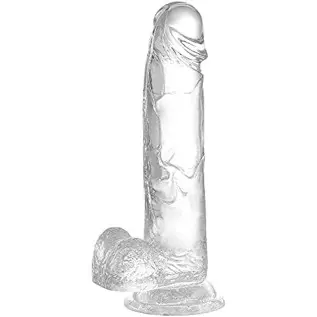
7.3 inch Soft Realistic Dildo, Human Safety Material, with Powerful Suction Cups, Suitable for Women/Men/Gay, Adult Toys for Wom
- -15%
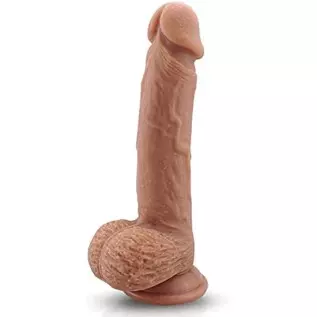
9 Inch Silicone Realistic Dildo Soft Large Dildos for Women with Strong Suction Cup for Hands-Free, Flexible Dual Density Penis

- -15%
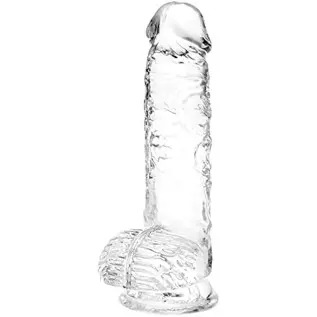
Realistic Dildo G Spot Stimulator- 8.2" Big Dildos with Suction Cup Adult Sex Toy for Women/Men/Gay, Flexible Clear Dildo for Wo
- -15%
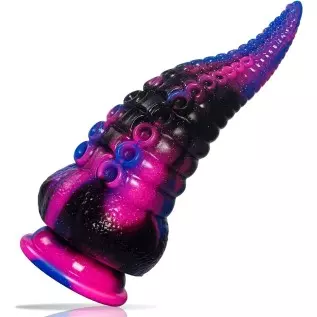
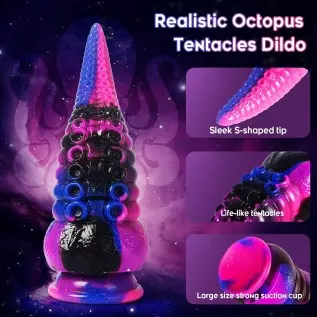
Tentacle Realistic Dildo for Women: 8.7" Big Anal Dildo with Strong Suction Cup, Huge Monster Liquid Silicone Anal Plug Prostate
- -20%
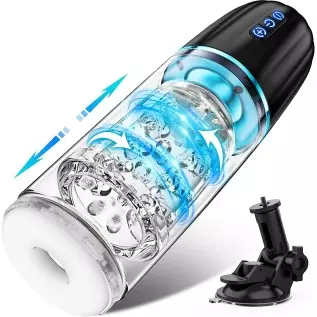
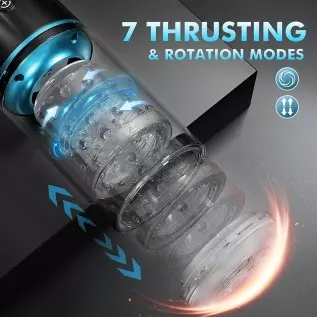
Automatic Male Masturbators Cup, Male Masturbator Toy with 7 Thrusting & Rotating, 50dB Quiet Hands Free Pocket Pussy Stroker, 3
- -20%
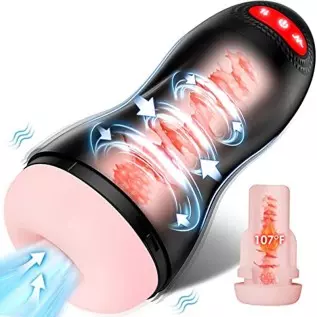
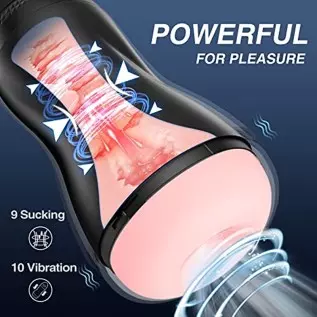
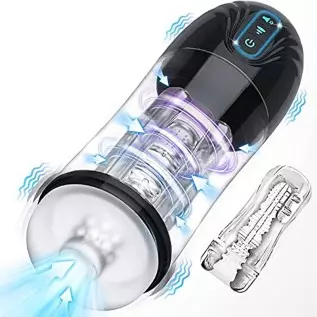
Automatic Male Masturbator, Sucking Male Masturbators Cup with 9 Suction & 10 Vibrating & Heating Mens Male Sex Toys, Hands Free
- -20%
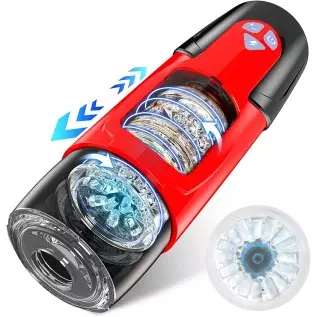
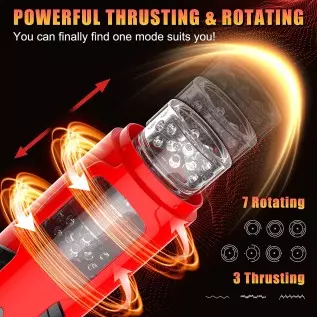
Automatic Male Masturbator, Sex Toy Male Masturbator Toy with 7 Thrusting & Rotating, Electric Pocket Pussy for Man Masturbation

- -20%