


3 dangers of excessively frequent married life may lead to "visiting"
Couple life is wonderful, but the amount must be controlled. Especially newlyweds who have just been married have sex almost every day, even several times a day, but frequent sex can cause harm to the body, and neither men nor women can avoid it.
What are the dangers of excessive "couple life"?
1. Induce prostatitis
Newlyweds are in the sexually active period. They are curious about sex and have strong desire. Having sex many times in a short period of time will increase the burden on the prostate, causing the prostate to remain congested, thus inducing prostatitis. In addition, excessive sexual life can also cause kidney deficiency. The main symptoms for women are anxiety, physical fatigue, lack of energy and poor appetite; the symptoms for men are sexual dysfunction, which can even cause frigidity and frequent urination and urgency. In addition, frequent sex will also make semen thinner, reduce sperm motility, affect fertility, and also make you unable to devote yourself fully to sex, affecting sexual harmony.
2. Inducing gynecological diseases
Sex life is a matter between two people, and both men and women can achieve sexual pleasure by working together. However, frequent sexual intercourse will bring strong pressure and continuous stimulation to the uterus, which over time will lead to overcongestion of the uterus, plus the risk of pelvic inflammatory disease and endometritis. Especially if the private parts are not cleaned in time after sex, pathogenic bacteria will take advantage of it and induce gynecological inflammation and urinary system infection.
3. Severe physical exhaustion
Having one-time life is equivalent to doing strenuous exercise, which consumes a lot of physical energy. Especially for men, excessive physical exertion can damage their health and affect their work and life. Maintaining regular and harmonious sex can enhance resistance and immunity, but frequent sex can reduce resistance and induce various diseases. In addition, excessive sex will also increase the burden on the control nerve center and sexual organs, accelerate the aging rate of sexual organs, and easily cause sexual dysfunction.
Under what circumstances can you not have sex?
1. Female menstrual period, early and late pregnancy
Women’s endometrium sheds during menstruation and the cervix opens slightly. If they have forced sex, pathogenic bacteria will be introduced, causing inflammation of the reproductive organs. It will also aggravate uterine bleeding, prolong the menstrual period, and increase menstrual flow. . Also, you should not have sex in the early and late stages of pregnancy to avoid irritating the placenta and causing premature birth or miscarriage.
2. Suffering from reproductive tract infection
Both men and women cannot have sex when suffering from sexually transmitted diseases. Both husband and wife should go to the hospital for examination and treatment together to avoid aggravating the condition. In addition, men who suffer from serious organic diseases, such as tuberculosis infection and heart disease, should also suspend sexual life.
3. When you are overly tired or in a bad mood
Because sex consumes physical strength and energy, sexual pleasure cannot be obtained when the body is overly tired. Instead, it will affect the psychology and even lead to frigidity. In addition, if you are in a bad mood and have sex forcefully, it will affect the relationship between husband and wife, and in severe cases, it can lead to male impotence.
Warm reminder
Every couple’s age, physical strength and living habits are different, and the frequency of sexual intercourse also varies from person to person. It is appropriate to have sexual intercourse so often that you do not feel tired the next day. In addition, you must pay attention to personal hygiene before and after sex, and wash the reproductive area carefully. Do not fall asleep immediately after sex. You may as well get up and drink a glass of water. In addition, women should urinate promptly after sex to flush the urethra and reduce the risk of urethritis.
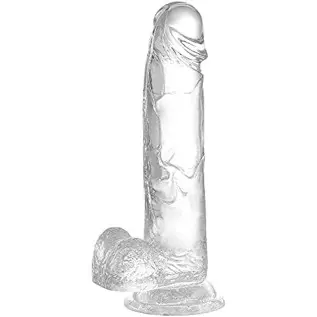

- -15%
7.3 inch Soft Realistic Dildo, Human Safety Material, with Powerful Suction Cups, Suitable for Women/Men/Gay, Adult Toys for Wom


- -15%
9 Inch Silicone Realistic Dildo Soft Large Dildos for Women with Strong Suction Cup for Hands-Free, Flexible Dual Density Penis
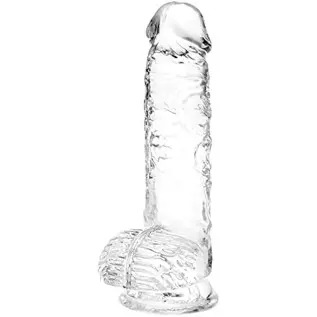

- -15%
Realistic Dildo G Spot Stimulator- 8.2" Big Dildos with Suction Cup Adult Sex Toy for Women/Men/Gay, Flexible Clear Dildo for Wo


- -15%
Tentacle Realistic Dildo for Women: 8.7" Big Anal Dildo with Strong Suction Cup, Huge Monster Liquid Silicone Anal Plug Prostate
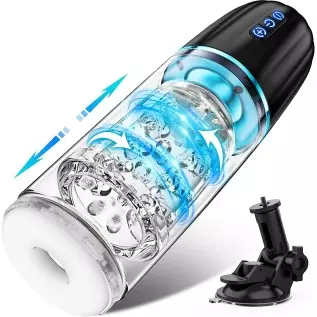

- -20%
Automatic Male Masturbators Cup, Male Masturbator Toy with 7 Thrusting & Rotating, 50dB Quiet Hands Free Pocket Pussy Stroker, 3
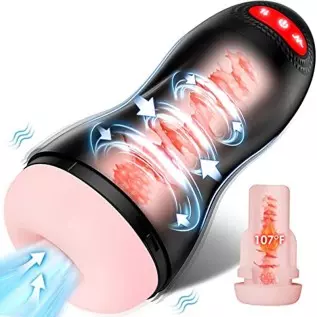

- -20%
Automatic Male Masturbator, Sucking Male Masturbators Cup with 9 Suction & 10 Vibrating & Heating Mens Male Sex Toys, Hands Free


- -20%
Automatic Male Masturbator, Sex Toy Male Masturbator Toy with 7 Thrusting & Rotating, Electric Pocket Pussy for Man Masturbation


- -20%