


What women need to know: 4 different stages of contraception
Pre-primary women:
Pre-primary refers to the period before the first childbirth, including adolescent girls. Before giving birth, it is advisable to choose a contraceptive method that will have little impact on future reproductive functions and is less susceptible to infection. The period before first childbearing can usually be divided into two periods: the period of first sexual intercourse (generally referred to as the newlywed period) and the period after sexual intercourse (2-3 months after engagement).
When having sex for the first time, because the female’s reproductive tract is relatively tight and both parties lack sexual experience, it is advisable to use short-acting oral contraceptives, male condoms, etc. If you have unprepared sexual intercourse, you can take emergency contraceptive pills first, followed by short-acting oral contraceptive pills or male condoms. If the female reproductive tract expands after a period of sexual intercourse, you can also choose female condoms, external spermicides, vaginal contraceptive rings, etc.; or use a combination of safe period and barrier contraception, such as in "Dangerous Use condoms during the "safe period" and use topical spermicides during the "safe period".
It is generally not advisable to choose an intrauterine device before the first childbirth. In special circumstances, it should be selected under the guidance of a physician. It is generally not advisable to use long-acting oral contraceptives or long-acting contraceptive injections before the first child is born, because it takes longer to resume childbirth after discontinuation of these long-acting contraceptive preparations.
Women who are breastfeeding after giving birth:
It is advisable to choose a contraceptive method that does not affect lactation, breastfeeding, and infant growth and development.
(1) Intrauterine device, which can be placed immediately after delivery or 42 days after delivery.
(2) Progestogen-only contraceptive methods, such as subcutaneous implants, Progestogen-only long-acting contraceptive injectable. Many data show that progestin-only contraception has no significant impact on breast milk secretion, nor on infant growth and development.
(3) Breastfeeding amenorrhea contraceptive method or Billings natural contraceptive method.
(4) Condoms, and some easily soluble external spermicides, such as jelly, gel, etc. It is not advisable to use combined oral contraceptive preparations during postpartum lactation because estrogen may affect milk secretion. It is also not advisable to use difficult-to-dissolve external spermicides during breastfeeding, such as external contraceptive tablets and pills, because lactating mothers have less vaginal secretions and are not easy to dissolve.
Women after childbirth:
Most women have a contraceptive period of about 20 years after giving birth. They should choose a relatively long-acting, stable and reversible contraceptive method (can be used if necessary). Restore fertility at any time), such as intrauterine devices, subcutaneous implants, long-acting contraceptive injections, etc. Depending on each person's situation, short-acting contraceptive pills, various barrier contraceptive methods, topical spermicides, natural contraceptive methods, and sterilization can also be used.
Menopausal women:
It is characterized by gradual decline in ovarian function, relatively less vaginal secretions, and sometimes irregular menstruation, but there is still the possibility of unwanted pregnancy. It is not recommended to insert an intrauterine device for those who have not used an intrauterine device at this stage; however, for those who have used an intrauterine device and have no adverse reactions, they can continue to use it until they are removed about one year after menopause; it is also not recommended to use it at this stage. External spermicides that are not easily soluble, but jelly and gel forms of external spermicides can be used to increase lubrication of the reproductive tract; compound contraceptive preparations contain estrogen and are associated with risk factors (smoking, obesity, high blood pressure, etc.) Women are less likely to use it. Barrier methods, Billings Natural Method, vaginal contraceptive rings, and more are available.
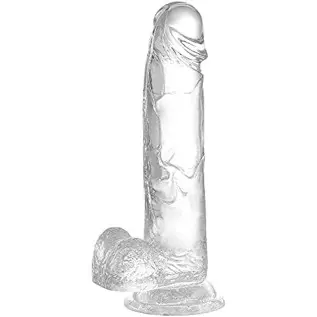

- -15%
7.3 inch Soft Realistic Dildo, Human Safety Material, with Powerful Suction Cups, Suitable for Women/Men/Gay, Adult Toys for Wom


- -15%
9 Inch Silicone Realistic Dildo Soft Large Dildos for Women with Strong Suction Cup for Hands-Free, Flexible Dual Density Penis
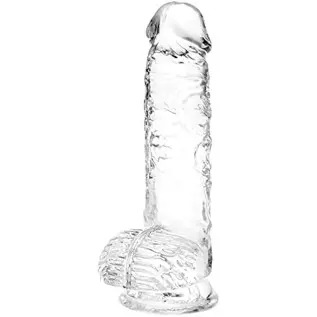

- -15%
Realistic Dildo G Spot Stimulator- 8.2" Big Dildos with Suction Cup Adult Sex Toy for Women/Men/Gay, Flexible Clear Dildo for Wo


- -15%
Tentacle Realistic Dildo for Women: 8.7" Big Anal Dildo with Strong Suction Cup, Huge Monster Liquid Silicone Anal Plug Prostate
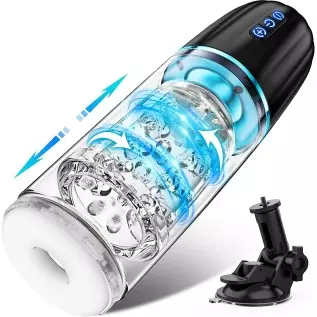

- -20%
Automatic Male Masturbators Cup, Male Masturbator Toy with 7 Thrusting & Rotating, 50dB Quiet Hands Free Pocket Pussy Stroker, 3
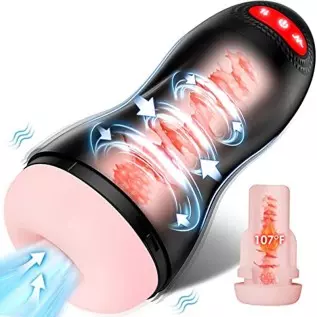
- -20%
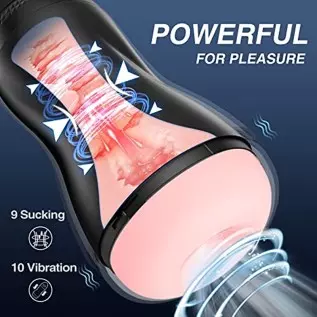
Automatic Male Masturbator, Sucking Male Masturbators Cup with 9 Suction & 10 Vibrating & Heating Mens Male Sex Toys, Hands Free
- -20%
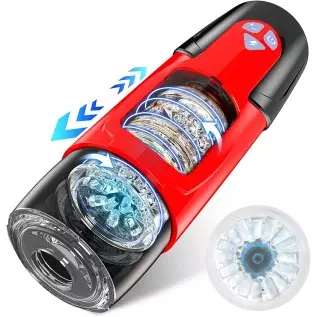
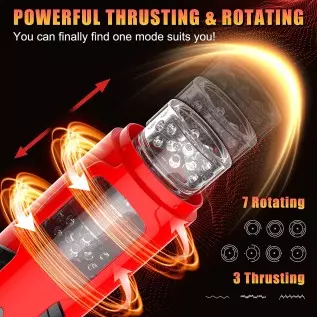
Automatic Male Masturbator, Sex Toy Male Masturbator Toy with 7 Thrusting & Rotating, Electric Pocket Pussy for Man Masturbation
- -20%

