


Uterine diseases can easily lead to miscarriage
Miscarriage is something that many people don’t want to see, but sometimes some things cannot be prevented. There are many reasons for spontaneous abortion. In addition to factors such as heredity, infection, luteal insufficiency, and human chromosomal abnormalities, uterine lesions are also the main reasons for spontaneous abortion. Let’s talk about which uterine lesions can cause miscarriage.
Uterine fibroids cause miscarriage
This disease is mainly caused by the local compression and obstruction of the tumor tissue, which deforms the uterine cavity and gradually degenerates, ulcers occur on the surface of the endometrium, and the endometrium becomes The blood flow of the membrane and muscle layer is reduced, which is unfavorable for the implantation and development of the pregnant egg and may lead to miscarriage. For young women who desire to have children, uterine fibroid enucleation can be performed instead of hysterectomy to maintain fertility.
Miscarriage caused by laxity of the internal cervix
Pregnant women suffering from laxity of the internal cervix usually suffer miscarriage in the second trimester. This is because as the fetus grows and the amniotic fluid increases, the pressure in the uterine cavity continues to increase, causing the cervical opening of the fetal membrane sac to protrude and cause the fetal membranes to rupture. The relaxation of the internal cervical os is related to factors such as previous cervical tear injury, multiple induced abortions, and dysplasia of the uterine isthmus. Cervical cerclage at 12-15 weeks of pregnancy or cervical repair during non-pregnancy can achieve better results.
Uterine malformation causes miscarriage
The human uterus is a muscular organ formed by the development and evolution of the paramesonephric ducts. Incomplete fusion of the bilateral lumens or incomplete absorption of the mediastinum after fusion can lead to congenital birth defects. There are various uterine malformations such as unicornuate uterus, bicornuate uterus, dolinus and septate uterus. Uterine septum accounts for about 80% of uterine malformations and is the most common uterine malformation causing spontaneous abortion and premature birth. Uterine septate miscarriage is mainly caused by ischemia in the mediastinum area and endometrial dysplasia. After the fertilized egg implants, the blood supply is insufficient, which affects the normal development of the fetus. In recent years, hysteroscopy has been of special value in the diagnosis and treatment of uterine septum. It is not only easy to diagnose, but also allows mediastinal resection under hysteroscopy. Surgery can significantly reduce the miscarriage rate.
Uterine adhesions can also lead to miscarriage
Most patients with intrauterine adhesions have a history of endometrial damage, such as multiple abortions, excessive dilation and curettage, etc. The pathological changes caused by intrauterine adhesions in miscarriage are shrinkage and deformation of the uterine cavity, hardening and area reduction of the endometrium, which affects embryonic development. According to statistics, for those diagnosed with intrauterine adhesions, the miscarriage rate can be reduced from 67% during the treatment period to 26% through surgical separation, uterine dilation, and comprehensive medication.
This article comes from adult.6kmall.com and is published by netizens. This site only quotes it for reference. It does not mean that this site agrees with the views of the article. If you believe that the content and intellectual property rights of this article infringe upon your interests, please contact us.
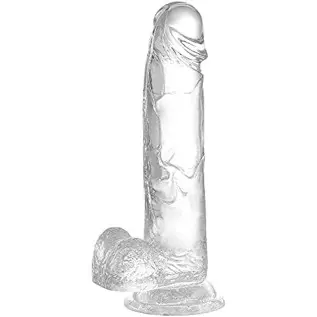

- -15%
7.3 inch Soft Realistic Dildo, Human Safety Material, with Powerful Suction Cups, Suitable for Women/Men/Gay, Adult Toys for Wom
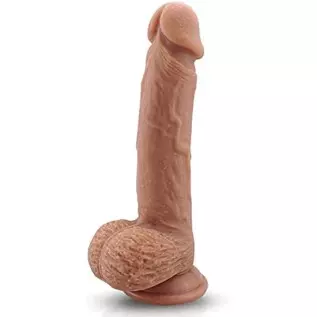

- -15%
9 Inch Silicone Realistic Dildo Soft Large Dildos for Women with Strong Suction Cup for Hands-Free, Flexible Dual Density Penis
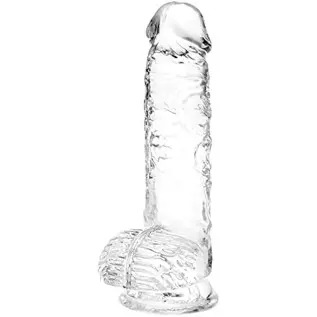

- -15%
Realistic Dildo G Spot Stimulator- 8.2" Big Dildos with Suction Cup Adult Sex Toy for Women/Men/Gay, Flexible Clear Dildo for Wo
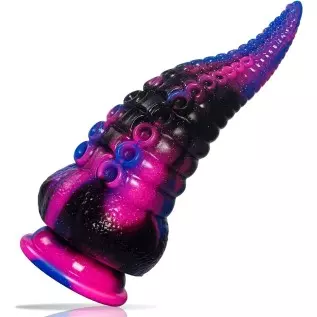

- -15%
Tentacle Realistic Dildo for Women: 8.7" Big Anal Dildo with Strong Suction Cup, Huge Monster Liquid Silicone Anal Plug Prostate
- -20%
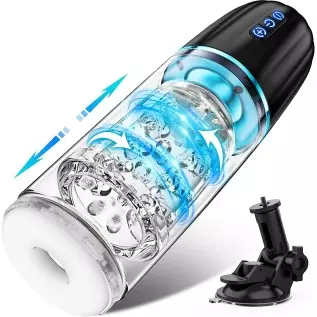
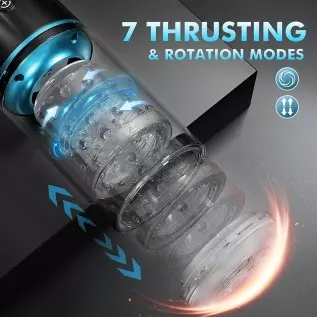
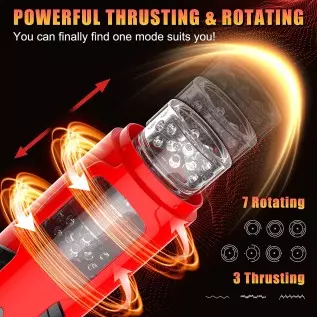
Automatic Male Masturbators Cup, Male Masturbator Toy with 7 Thrusting & Rotating, 50dB Quiet Hands Free Pocket Pussy Stroker, 3

- -20%
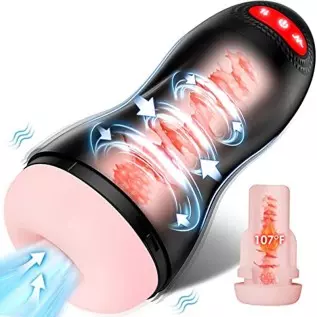
Automatic Male Masturbator, Sucking Male Masturbators Cup with 9 Suction & 10 Vibrating & Heating Mens Male Sex Toys, Hands Free
- -20%
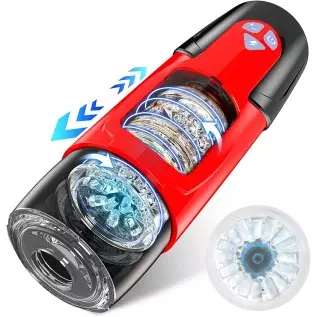
Automatic Male Masturbator, Sex Toy Male Masturbator Toy with 7 Thrusting & Rotating, Electric Pocket Pussy for Man Masturbation
- -20%