


The history of AIDS
In 1959
A Congolese man died of an unexplained disease. Years later, analysis of the man's blood specimens made him the first confirmed case of HIV infection.
In 1981
Physicians in California and New York reported that Pneumocystis carinii pneumonia (PCP) and a rare tumor-Kaposi's sarcoma (Kaposi's sarcoma) Outbreak among gay men. The U.S. Centers for Disease Control and Prevention (CDC) reported relevant news. This was the beginning of widespread concern among the medical community about AIDS. The syndrome was named Gay-Related Immune DeficiencyGRID at the time.
In 1982
This syndrome was discovered to be related to blood. Cases of this syndrome have been found not only in gay men, but also in women, heterosexual men, drug addicts, hemophiliacs, blood transfusion recipients, and infants. The syndrome was renamed acquired immune deficiency syndrome (AIDS). The U.S. Centers for Disease Control and Prevention defines it as an epidemic.
A further 14 countries reported cases of AIDS.
1983
Researchers at the Pasteur Institute in France under the leadership of Dr. Montagnier isolated a retrovirus, which they called Lymphadenosis-associated virus (LAV). Later, this virus was considered the causative agent of AIDS.
AIDS cases have been found in 33 countries.
In 1984
The U.S. government announced that Dr. Gallo of the National Cancer Institute had isolated a virus called HTLV-III that causes AIDS. (Two years later, LAV and HTLV-III were recognized as the same virus. An international committee named it human immunodeficiency virus, HIV).
The U.S. Department of Health and Human Services expects an AIDS vaccine to be ready for human trials within 2 years.
Gaetan Dugas, dubbed "Patient 0" by American researchers, died. The Canadian flight attendant had sex with dozens of the first gay men diagnosed with AIDS in the United States.

- -15%
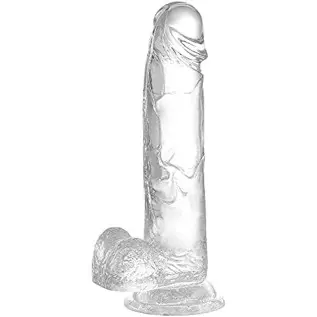
7.3 inch Soft Realistic Dildo, Human Safety Material, with Powerful Suction Cups, Suitable for Women/Men/Gay, Adult Toys for Wom

- -15%
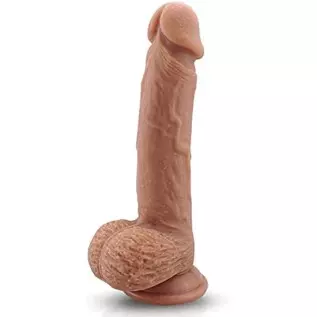
9 Inch Silicone Realistic Dildo Soft Large Dildos for Women with Strong Suction Cup for Hands-Free, Flexible Dual Density Penis

- -15%
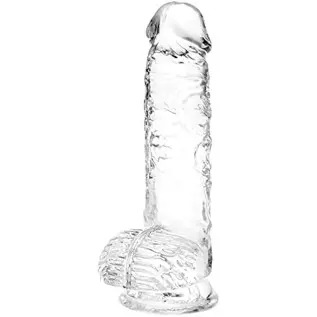
Realistic Dildo G Spot Stimulator- 8.2" Big Dildos with Suction Cup Adult Sex Toy for Women/Men/Gay, Flexible Clear Dildo for Wo

- -15%
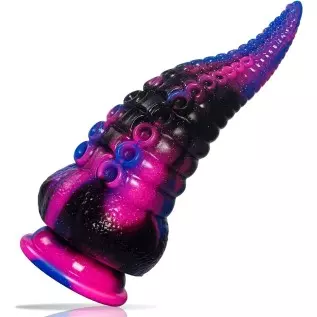
Tentacle Realistic Dildo for Women: 8.7" Big Anal Dildo with Strong Suction Cup, Huge Monster Liquid Silicone Anal Plug Prostate

- -20%
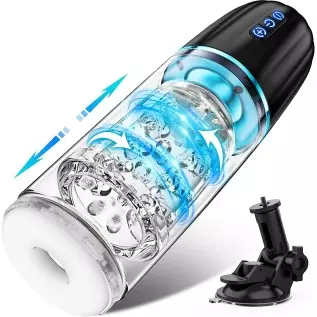
Automatic Male Masturbators Cup, Male Masturbator Toy with 7 Thrusting & Rotating, 50dB Quiet Hands Free Pocket Pussy Stroker, 3

- -20%
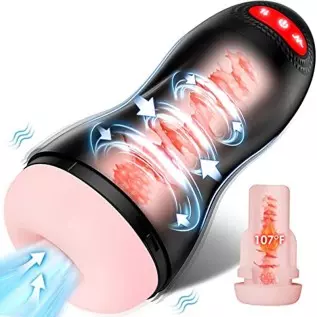
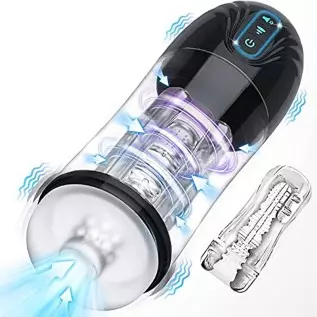
Automatic Male Masturbator, Sucking Male Masturbators Cup with 9 Suction & 10 Vibrating & Heating Mens Male Sex Toys, Hands Free
- -20%
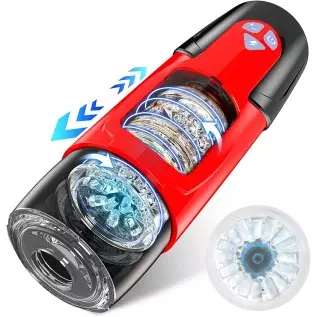
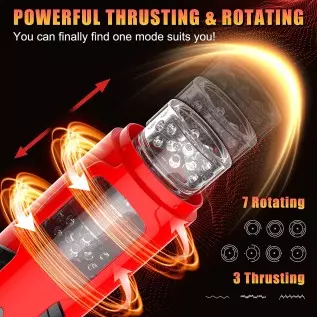
Automatic Male Masturbator, Sex Toy Male Masturbator Toy with 7 Thrusting & Rotating, Electric Pocket Pussy for Man Masturbation

- -20%