


Does having less sex mean you are cold?
Sexual desire is an instinct that generally does not disappear completely, but it is easily disturbed by fear and mood swings. So it's crucial to remove the inhibitors so your sexual desire can last as long as possible.
"Frigidity" was originally a term used for women's sexual problems, but it has been abandoned because it does not clearly point out the essence of women's sexual problems and is derogatory to women.
However, nowadays, the term "frigidity" can also specifically refer to the absence of sexual desire, which is generally called "low sexual desire" and refers to people who are not interested in sex life at all.
Low sexual desire can occur at any age and gender. For example, some healthy men get married around the age of 30 (starting to say goodbye to their "virginity"), but within a few years of marriage, they often complain that their sexual desire disappears or decreases, or they are not interested in sex at all; at the same time, they are also accompanied by a series of subsequent problems. symptoms, such as situational erection difficulties, emotional problems, and even physical symptoms.
Count the number of times you have sex yourself
Someone asked: "How many times of sexual life or sexual desire is considered normal?" Or, "How many times of sexual life or sexual desire is less than what is called 'low sexual desire'?" "At my age, every day How many times should a month pass before it is appropriate?”…
Indeed, due to the changes in modern life, people are not only concerned about the quality of sexual life, but also the frequency of sexual life. We often encounter such a situation: one spouse or couple accuses the other of low sexual desire, and the other accuses the other of hypersexuality. As a result, the two parties conflict over sexual requirements or sexual desires.
In fact, there is no definite number on how many times a couple should have sex. However, some people recommend such a formula, that is, multiply the ten-digit number of your age by 9, use the ten-digit number of the product as the time, and the single-digit number as the number of sexual intercourses you should have during this period.
For example, for a person in his 30s, multiply the tens digit 3 by 9, which equals 27, that is, he or she has had sex 7 times in 20 days, about once every three days; for a person in his 40s, it is 4×9=36, or 30 Have sex 6 times in a day, about once every 5 days; and so on.
However, this is just a man-made formula, and sexual life is often something that happens at any time and is influenced by passion. Therefore, you don’t have to be constrained by this; the only prerequisite is that the physical condition of the couple allows it and they can bear it. engage in such physical activity.
It doesn’t matter how many times you do it, the key is satisfaction
If after getting married, the sexual requirements of one of the spouses are not only far lower than what is predicted by the above formula, but also are not interested in sexual life at all mentally, it is likely to reflect the problem of low sexual desire.
Of course, we also have to look at personal psychological satisfaction. Simply put, even if the number of sexual intercourse is very small, both husband and wife feel satisfied and there is no depression, then there is no problem, it is just a personal choice.
However, some people have found that the frequency of sexual intercourse in the early stages of marriage is closely related to the frequency of sexual activities in middle-aged and elderly people. That is, those who have stronger sexual desire or better sexual function when they are young will have relatively more sexual activities when they are old.
Less masturbation in youth is not necessarily a sign of low sexual desire
A man once asked: When they were young, many people could only satisfy their sexual desires through masturbation because they did not have a partner. But the problem is, I don’t even have much interest in masturbating and the frequency is very small. Is this considered low sexual desire?
In fact, whether the frequency of masturbation can be used as a reference standard for predicting sexual indifference, at present, it can only be said that there is a certain relationship between the two, but it is not clear. In other words, less masturbation does not necessarily mean lower sexual desire in the future.
The reason is that low frequency of masturbation may reflect some physical or psychological problems in men themselves, or it may be a problem with personal living habits. For example, if you don't have much imagination or fantasy about sex, the frequency of masturbation will naturally decrease; or some men feel that masturbation is not as good as real sex, and as a result, they do not choose it as a way to vent their sexual desires.
Of course, if a man has congenital hypogonadism, he will naturally not have sexual desire; however, such people are often accompanied by other symptoms, such as underdevelopment of sexual organs and secondary sexual characteristics, or delayed growth and development.
However, if a man suffers from erectile dysfunction or the duration of sexual intercourse is too short, the couple will often not be satisfied, which may eventually lead to low sexual desire.
In addition, we should also realize that almost all men will experience loss of sexual desire after the age of 40 to 50. Some people may not care about this change, while others may be very nervous.
In fact, sexual desire is an instinct that generally does not disappear completely, but it is easily disturbed by fear and mood swings. So it's crucial to remove the inhibitors so your sexual desire can last as long as possible.
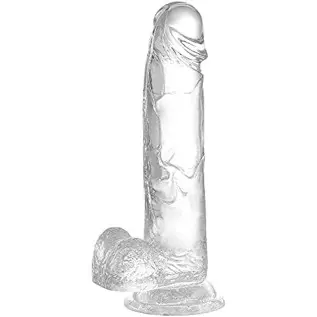

- -15%
7.3 inch Soft Realistic Dildo, Human Safety Material, with Powerful Suction Cups, Suitable for Women/Men/Gay, Adult Toys for Wom
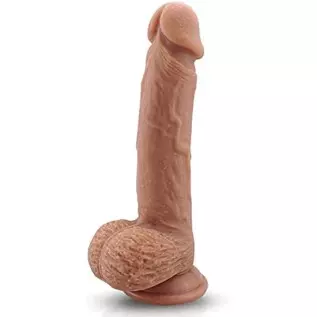
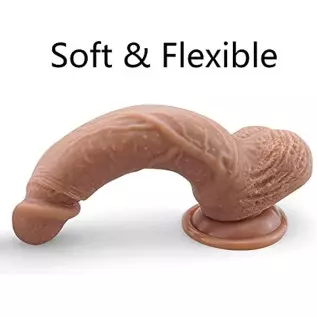
- -15%
9 Inch Silicone Realistic Dildo Soft Large Dildos for Women with Strong Suction Cup for Hands-Free, Flexible Dual Density Penis
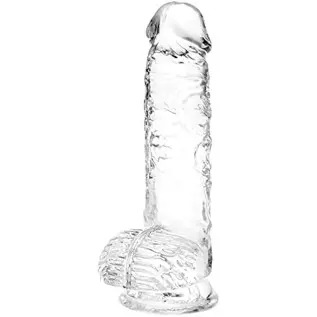

- -15%
Realistic Dildo G Spot Stimulator- 8.2" Big Dildos with Suction Cup Adult Sex Toy for Women/Men/Gay, Flexible Clear Dildo for Wo
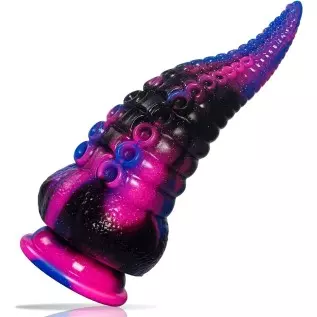

- -15%
Tentacle Realistic Dildo for Women: 8.7" Big Anal Dildo with Strong Suction Cup, Huge Monster Liquid Silicone Anal Plug Prostate
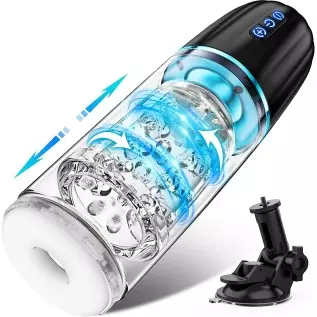

- -20%
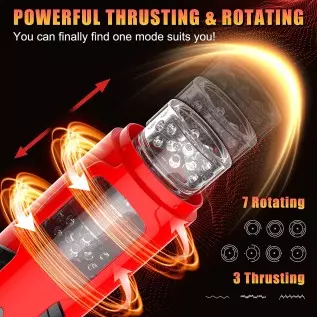
Automatic Male Masturbators Cup, Male Masturbator Toy with 7 Thrusting & Rotating, 50dB Quiet Hands Free Pocket Pussy Stroker, 3
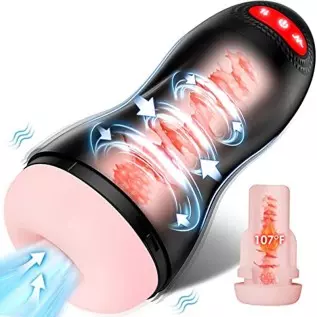

- -20%
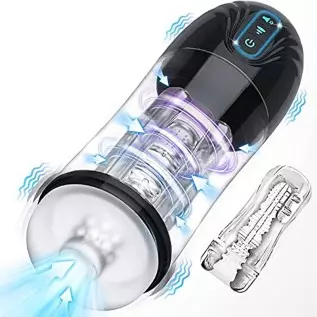
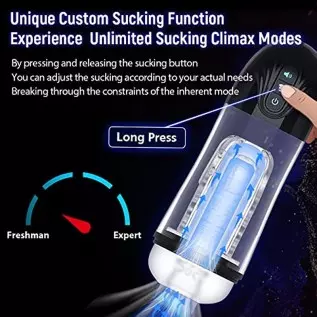
Automatic Male Masturbator, Sucking Male Masturbators Cup with 9 Suction & 10 Vibrating & Heating Mens Male Sex Toys, Hands Free
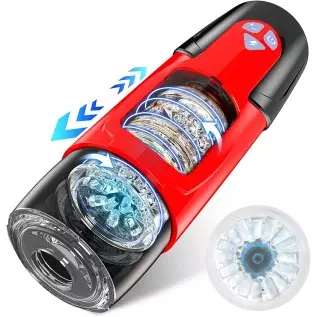
- -20%
Automatic Male Masturbator, Sex Toy Male Masturbator Toy with 7 Thrusting & Rotating, Electric Pocket Pussy for Man Masturbation
- -20%

