


AIDS Day Top Ten AIDS Prevention Issues Netizens Are Most Concerned About
1. How is AIDS spread?
Answer: HIV is spread through the following three ways.
Sexually transmitted, blood-borne and mother-to-child transmission.
2. Is it dangerous to work with people living with HIV?
Answer: You will not be infected with AIDS through daily and work contact with people infected with HIV.
(1) General contact with HIV-infected and patients in work and life, such as shaking hands, hugging, ceremonial kissing, eating together, and sharing working tools, office equipment, coins, etc., will not cause infection HIV.
(2) HIV will not be transmitted through public facilities such as toilet seats, telephones, tableware, bedding, swimming pools or public baths.
(3) Coughing and sneezing will not spread HIV.
(4) Mosquito bites do not transmit HIV.
3. What behaviors are likely to cause HIV infection?
Answer: We usually refer to behaviors that can easily lead to HIV infection as high-risk behaviors, which include the following categories: 1. High-risk behaviors through sexual means include: unprotected sexual intercourse, multiple sexual partners, etc. 2. High-risk behaviors through the blood route include: intravenous drug use; sharing syringes or other instruments that can pierce the skin with others; using untested blood or blood products. 3. High-risk behaviors through the mother-to-child route include: HIV-positive women becoming pregnant and giving birth, and HIV-positive mothers breastfeeding, which may cause HIV infection in their children. 4. Other ways that can cause blood infection, such as: unsterilized knives used for haircuts, beauties, tattoos, ear pricks, pedicures, etc.; sharing razors, electric razors, and toothbrushes with other people; injuries caused by sports and fights Bleeding; when rescuing the wounded, the rescuer's damaged skin comes into contact with the wounded's blood.
4. How do you know if a person is infected with AIDS?
Answer: To determine whether a person is infected with HIV, the current common test method is to go to a local health institution for a blood HIV antibody test. A positive antibody test indicates that the person has been infected with HIV.
However, after the human body is infected with HIV, it usually takes 2 weeks to gradually produce virus antibodies. The period from when a human being is infected with HIV to when viral antibodies can be detected in peripheral blood is called the "window period", which is generally 2 weeks to 3 months. During this time, no antibodies to the virus are detectable in the blood, but the person is contagious.
5. If you engage in high-risk behavior and are infected with sexually transmitted diseases, is it possible to contract AIDS?
Answer: AIDS is also a type of STD. Its transmission routes, risky behaviors, involved groups and preventive measures have many similarities with general STDs. A STD patient can be infected with multiple STDs at the same time. For example, a patient with syphilis can be infected at the same time. Gonorrhea can also be infected with HIV at the same time. Moreover, patients with sexually transmitted diseases often suffer from ulcers in the vagina and external genitalia, which provides favorable conditions for the invasion of HIV, making it easy to enter the human body and spread rapidly. At the same time, when sexually transmitted disease pathogens infect people, they often cause local inflammatory reactions, and inflammation causes lymphocytes to increase. Since lymphocytes are the target cells for HIV to attack, their rapid increase plays a role in attracting the invasion of HIV.
6. Once infected with AIDS, will you die soon?
Answer: From the moment the HIV virus enters the human body, the human body begins to fight against it. It takes a certain amount of time for the virus to reproduce in the human body. In the initial stage, the immune function of the infected person has not been seriously damaged, so there are no obvious symptoms. We call such people infected with HIV. When the immune function of an infected person is destroyed to a certain extent, other germs will take advantage of the situation and cause a variety of diseases, generally called opportunistic infections, such as severe diarrhea, pneumonia or certain cancers. At this time An infected person becomes an AIDS patient. The progression from an HIV-infected person to an AIDS patient can take months to years, usually 2 to 10 years. As long as they do not enter the onset stage, HIV carriers can live and work like normal people. Moreover, current antiviral treatment can effectively prolong the life of patients. Therefore, people infected with HIV must not give up on themselves, but should find ways to delay the onset of the disease.
7. How to prevent AIDS?
Answer: AIDS is a behavioral disease. The following preventive measures can be taken according to the three transmission routes of AIDS.
Preventing the spread of HIV through sexual contact: Observing sexual ethics, having a fixed sex partner, and practicing safe sex are effective measures to prevent the spread of HIV through sexual contact. Correct use of condoms (condoms) of acceptable quality can reduce the risk of HIV infection. If you have a sexually transmitted disease or are suspected of having one, you should go to a designated medical institution or regular hospital for examination and treatment as soon as possible.
Prevent blood-borne transmission: stay away from drugs and resist drugs; for those who are unfortunate enough to be addicted to drugs, help them get rid of their drug addiction; for those who are temporarily unable to get rid of their drug addiction, methadone replacement therapy (also known as methadone replacement therapy) can be used (called maintenance treatment) and clean needle exchange methods to change the behavior of sharing syringes for drug use and block the spread of HIV. Do not accept blood, blood products and organs that have not passed the HIV antibody test; do not use syringes that have not been strictly sterilized; do not share syringes and razors with others; vigorously promote the use of disposable syringes and other safe injection measures.
Prevention of mother-to-child transmission: Women infected with HIV should avoid pregnancy; once pregnant, they should consider whether to terminate the pregnancy under the guidance of a doctor; those who choose to continue the pregnancy should take antiviral drug intervention and cesarean section delivery, etc. Measures should be taken to block transmission, and breastfeeding of newborns should be avoided after delivery.
8. What policies does the country have for people living with HIV?
Answer: At present, our government is promoting the policy of “Four Frees and One Care” in the prevention and treatment of AIDS. The “Four Frees” refer to: providing free antiviral drugs to AIDS patients among rural residents and urban residents with financial difficulties who have not participated in basic medical insurance and other security systems; providing free counseling nationwide to those who voluntarily undergo AIDS counseling and testing and primary screening tests; provide free mother-to-child interruption drugs and infant testing reagents to pregnant women infected with HIV; free schooling fees for orphans of AIDS patients; "One Care" refers to: including AIDS patients with difficult lives into government assistance Within the scope, necessary living relief will be provided in accordance with relevant national regulations. Actively support AIDS patients who are productive. Avoid discrimination against people living with HIV/AIDS.
9. Will people who are diagnosed with HIV or AIDS release their personal information?
Answer: The personal information of people living with HIV and AIDS will be protected by relevant departments. Article 39 of the "Regulations on the Prevention and Treatment of AIDS" stipulates that without the consent of the person or his/her guardian, no unit or individual may disclose the name, address, workplace, portrait, medical history, or other information of an HIV-infected person, an AIDS patient, or their family members. Information from which their specific identity may be inferred.
10. Who is susceptible to AIDS?
Answer: It mainly includes the following categories: male homosexuals, prostitutes and prostitutes, people with multiple sex partners, patients with sexually transmitted diseases, injecting drug users and babies whose parents have AIDS.


- -15%
7.3 inch Soft Realistic Dildo, Human Safety Material, with Powerful Suction Cups, Suitable for Women/Men/Gay, Adult Toys for Wom


- -15%
9 Inch Silicone Realistic Dildo Soft Large Dildos for Women with Strong Suction Cup for Hands-Free, Flexible Dual Density Penis


- -15%
Realistic Dildo G Spot Stimulator- 8.2" Big Dildos with Suction Cup Adult Sex Toy for Women/Men/Gay, Flexible Clear Dildo for Wo


- -15%
Tentacle Realistic Dildo for Women: 8.7" Big Anal Dildo with Strong Suction Cup, Huge Monster Liquid Silicone Anal Plug Prostate

- -20%
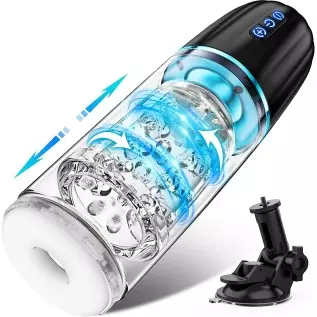
Automatic Male Masturbators Cup, Male Masturbator Toy with 7 Thrusting & Rotating, 50dB Quiet Hands Free Pocket Pussy Stroker, 3

- -20%
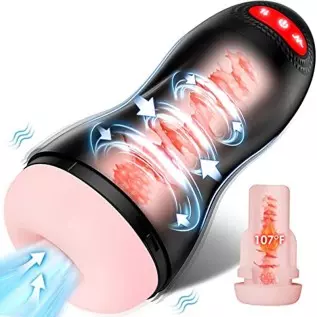
Automatic Male Masturbator, Sucking Male Masturbators Cup with 9 Suction & 10 Vibrating & Heating Mens Male Sex Toys, Hands Free


- -20%
Automatic Male Masturbator, Sex Toy Male Masturbator Toy with 7 Thrusting & Rotating, Electric Pocket Pussy for Man Masturbation


- -20%

