


Women should protect five dangerous triangles
Hearing the word "triangle area" easily makes people think of danger and death. The human body also has multiple dangerous triangle areas, where multiple nerves, blood vessels or organs are concentrated, which are important functional areas of the human body. We Be sure to protect it carefully. NO1: Facial triangle prone to acne
Danger zone: This triangle area is formed by the line connecting the root of the nose and the corners of the mouth on both sides.
There are 6 veins on the head and face that can lead to the brain. They have branches and communicate with each other, forming a dense blood vessel network. This area has rich blood vessels, adequate nutrient supply, and relatively timely removal of waste and toxins. Therefore, the facial skin is the most sensitive and active, and systemic problems are easily concentrated here.
Danger: Facial veins are the only veins without venous valves, and venous blood continuously flows to the "waste disposal station" with waste. However, due to the special structure of facial veins, blood will not only flow downward to the neck veins normally, but also flow upward into the skull.
Safety warning: If you have acne on your face, do not squeeze it with your hands. Otherwise, bacteria and dust on your hands or on the skin around the acne will easily enter the blood and travel along the vein network. If it spreads, it is most likely to cause infection of the eyes, nose and other organs. In severe cases, it can also cause intracranial infection and be life-threatening.
NO2: The occipital triangle that causes headaches
Danger Zone: The occipital triangle refers to the area under the occipital bone, including the first and second cervical vertebrae at the back of the neck. Here are the most complex joints in the human body: the occiput-first cervical vertebra-second cervical vertebra joint. The left and right rotation, nodding, and shaking of the head are mainly accomplished by these joints. Normally, the cervical vertebrae are slightly convex forward, with nerves and arteries running through the middle. This curvature can easily increase the elasticity of the cervical vertebrae and slow down head vibrations.
Danger: If you maintain a bad posture for a long time, the lordosis of the neck will gradually become straight or turn into kyphosis, which will compress the normal working nerves and blood vessels, which will not only easily cause migraines, but also brain problems. Diseases such as stroke can also cause cervical angina.
Safety warning: Avoid sleeping with a high pillow. High pillows make the head bend forward, which increases the pressure on the cervical spine, which can easily lead to cervical spine lesions. Pay attention to keeping the neck and shoulders warm, as wind and cold air are most likely to damage the muscles and bones. If the neck is exposed to cold wind in an air-conditioned environment for a long time, stiffness and pain will easily occur; in addition, you should always correct the posture of your head, neck, shoulders, and back, and do not often tilt your head and shrug your shoulders; after maintaining the same posture for an hour, pay attention to Relax your shoulder and neck muscles, and do some flexion, extension, and rotation of your head and upper limbs to enhance the ability of your neck and shoulder muscles to cope with sudden changes.
NO3: The easily injured shoulder triangle
Danger zone: The shoulder triangle is equivalent to the position of the deltoid muscle in the joint between the upper arms. The muscles in this area are thick. The deltoid muscle surrounds the shoulder joint from the front, outside and back. The axillary nerve is distributed in it and controls the contraction and relaxation of the deltoid muscle. Other joints in the body can only perform two movements: flexion and extension, but the shoulder joint can perform movements in five directions due to its special ball-and-socket structure.
Danger: Because the structure of the shoulder joint is relatively loose, if the movement is improper, it is easy to damage the soft tissue of the shoulder due to instant muscle strain; in addition, since various movements of the upper body often use the shoulder joint, the soft tissues around the joint It will be subject to friction and extrusion, and is prone to chronic strain or soft tissue inflammation.
Safety warning: Warm up fully before exercise to allow muscles and ligaments to fully stretch; the amount of exercise should be moderate, and all joints should be slightly bent during exercise to avoid excessive movements and avoid damaging the joints due to resistance.
NO4: Women’s reproductive triangle
Danger zone: The reproductive triangle is composed of the deep transverse perineal muscle, the urethral sphincter and the three layers of fascia below. This triangular area includes all the female reproductive organs. The estrogen secreted by these organs allows women to maintain their unique menstruation, body shape, skin and body feeling.
Danger: Because the female vagina is an open organ, bacteria can enter if you are not careful. Due to the dark and humid environment in this area, it is particularly suitable for the growth of bacteria. When inflammation occurs, the rich blood vessels in the area allow bacteria to spread upward.
Safety warning: Because this area is close to the anus, has many skin folds, and is rich in sweat glands, it is most important to clean and protect it. Especially during menstruation, you must change sanitary napkins frequently to prevent blood stains from becoming a breeding ground for bacteria; wash your hands before going to the toilet to avoid bacterial invasion.
NO5: Holding in urine can easily damage the trigone of the bladder
Danger zone: This area is composed of three connections between the two ureteral orifices and the urethral orifice. This is where residual urine in the body is stored, and the urinary system is one of the main ways the body detoxifies. Therefore, the bottom of the bladder is the area where the most toxins and wastes stay.
Danger: The mucosa in the trigone of the bladder is only a very thin layer of tissue, and the submucosal tissue lacks abundant blood vessels. Therefore, the blood supply is insufficient and the self-protection ability is relatively poor. Most intravesical diseases, such as cystitis, bladder tuberculosis and nephritis, occur here. In addition, although urine is generally sterile, it is easy for bacteria to breed. If you often hold in your urine, your bladder's ability to contract will be weakened, and the urine cannot be completely emptied in the bladder, causing bacteria to grow and cause inflammation. The bladder is connected to the kidneys, so the kidneys are easily damaged.
Safety warning: Drink more water, at least 1000 to 2000 ml a day, and pay attention to emptying the bladder regularly to avoid bacterial proliferation; keep the urethral opening clean and dry; eat more foods containing vitamin E . In addition, studies have found that smoking increases the risk of bladder cancer by three times. Therefore, quitting smoking is also very important.
This article comes from adult.6kmall.com and is published by netizens. This site only quotes it for reference. It does not mean that this site agrees with the views of the article. If you believe that the content and intellectual property rights of this article infringe upon your interests, please contact us.

- -15%
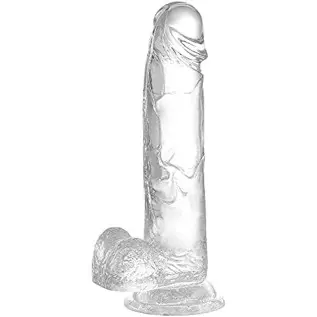
7.3 inch Soft Realistic Dildo, Human Safety Material, with Powerful Suction Cups, Suitable for Women/Men/Gay, Adult Toys for Wom

- -15%
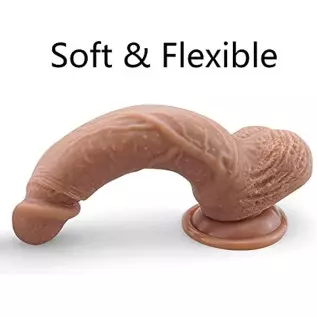
9 Inch Silicone Realistic Dildo Soft Large Dildos for Women with Strong Suction Cup for Hands-Free, Flexible Dual Density Penis

- -15%
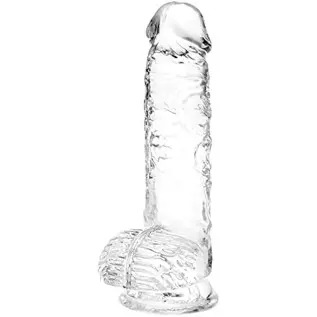
Realistic Dildo G Spot Stimulator- 8.2" Big Dildos with Suction Cup Adult Sex Toy for Women/Men/Gay, Flexible Clear Dildo for Wo


- -15%
Tentacle Realistic Dildo for Women: 8.7" Big Anal Dildo with Strong Suction Cup, Huge Monster Liquid Silicone Anal Plug Prostate

- -20%
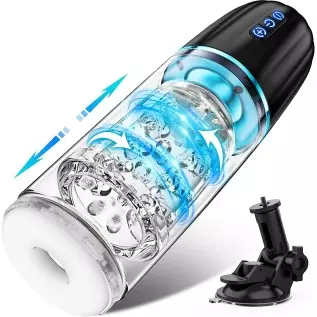
Automatic Male Masturbators Cup, Male Masturbator Toy with 7 Thrusting & Rotating, 50dB Quiet Hands Free Pocket Pussy Stroker, 3

- -20%
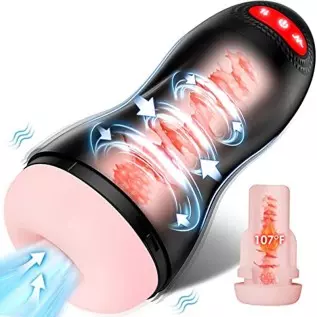
Automatic Male Masturbator, Sucking Male Masturbators Cup with 9 Suction & 10 Vibrating & Heating Mens Male Sex Toys, Hands Free
- -20%
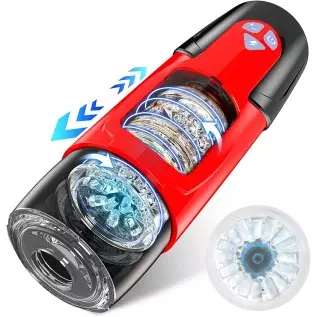
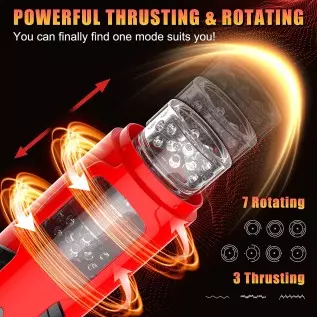
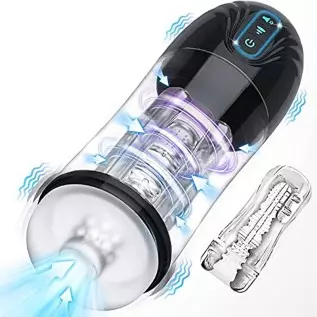
Automatic Male Masturbator, Sex Toy Male Masturbator Toy with 7 Thrusting & Rotating, Electric Pocket Pussy for Man Masturbation

- -20%