


Why are sexually active women prone to urinary tract infections? You can’t live without these 5 “enemies”!
As we all know, women are more likely to suffer from urinary tract infections than men, especially women who are sexually active. When a urinary tract infection occurs, the main symptoms are abnormal urination, hematuria or pyuria, and waist pain. What is the reason.
Why are sexually active women prone to urinary tract infections?
1. It is related to its own structure
Due to the unique structure of women, the urethra is close to the vagina and anus. There are more than 30 kinds of bacteria in the vagina, and there is also a large amount of digestive tract flora around the anus, especially Escherichia coli. Most women Urinary tract infections are caused by Escherichia coli. In addition, the length of the female urethra is very short, only 3 to 5 centimeters. The urethra is short and wide, which is a good place for bacteria and viruses to invade, increasing the risk of urinary tract infection.
2. Failure to pay attention to hygiene during menstruation
Menstrual blood is particularly suitable for bacterial culture. Coupled with the use of sanitary napkins, it will expose the local area to a high temperature and sealed environment, thereby increasing the risk of infection. Therefore, you need to pay attention to hygiene during menstruation, wash the area frequently with warm water, avoid sexual intercourse, and change sanitary napkins frequently, which can reduce the chance of infection.
3. Having sex too frequently
Sexually active women are a high-risk group for urinary tract infections, because constant friction during sex will bring bacteria around the vagina and anus into the urethral opening, and then squeeze the urine with bacteria into it. The fluid squeezes back into the bladder, allowing bacteria to accumulate, causing a urinary tract infection.
4. Pregnancy
After pregnancy, the uterus will slowly increase, compressing the ureters and bladder. Endocrine changes will slow down the diastole and peristalsis of the ureters, resulting in slow urine flow or mild accumulation of fluid, allowing bacteria to invade and multiply, eventually inducing disease.
5. Bad living habits
Some women hold back their urine or sit all the time because they are busy at work. The urine staying in the bladder for a long time will increase the concentration of bacteria, and the bacteria will multiply in the urine and cause infection. In addition, when the bladder is filled with urine, the pressure will increase, and the urine flow will flow upward to the ureter. When bacteria invade, the bacteria will be transported further upstream, leading to pyelonephritis.
Warm reminder
Women should drink more water and urinate more. Urinating can flush bacteria from the urethra. Pay attention to personal hygiene, scrub the vulva frequently with warm water, keep the area dry and clean, wear loose clothes, change underwear frequently, and do not share baths, toilets, and bathtubs with others. Wash your private parts carefully before and after sex, and urinate promptly after sex. Use sanitary napkins and panty liners correctly, choose sanitary napkins with good breathability and no additives, and try not to use panty liners during non-menstrual periods. In addition, you should keep your mood stable, take in balanced nutrition for your body, participate in more exercises, and maintain a good routine to improve your immunity.
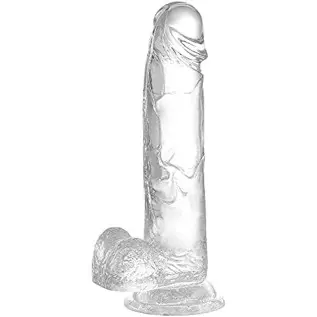

- -15%
7.3 inch Soft Realistic Dildo, Human Safety Material, with Powerful Suction Cups, Suitable for Women/Men/Gay, Adult Toys for Wom


- -15%
9 Inch Silicone Realistic Dildo Soft Large Dildos for Women with Strong Suction Cup for Hands-Free, Flexible Dual Density Penis
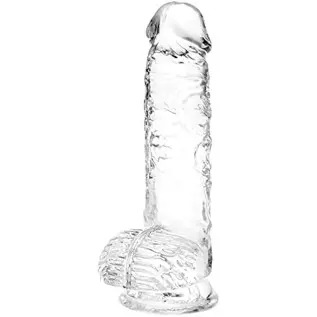

- -15%
Realistic Dildo G Spot Stimulator- 8.2" Big Dildos with Suction Cup Adult Sex Toy for Women/Men/Gay, Flexible Clear Dildo for Wo


- -15%
Tentacle Realistic Dildo for Women: 8.7" Big Anal Dildo with Strong Suction Cup, Huge Monster Liquid Silicone Anal Plug Prostate
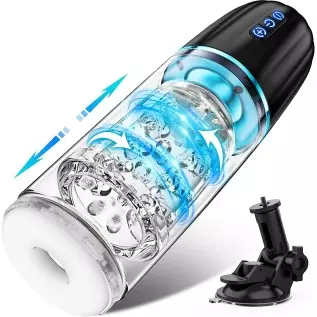

- -20%
Automatic Male Masturbators Cup, Male Masturbator Toy with 7 Thrusting & Rotating, 50dB Quiet Hands Free Pocket Pussy Stroker, 3
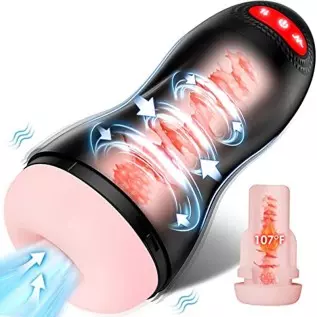

- -20%
Automatic Male Masturbator, Sucking Male Masturbators Cup with 9 Suction & 10 Vibrating & Heating Mens Male Sex Toys, Hands Free


- -20%
Automatic Male Masturbator, Sex Toy Male Masturbator Toy with 7 Thrusting & Rotating, Electric Pocket Pussy for Man Masturbation


- -20%

