


Where did the condom come from? It is best not to use these types of condoms
How did condoms come about for men and women to have sex? Which types of condoms are best for men not to use? Small condoms are not unfamiliar to adults at all. They can not only play a contraceptive role, but also prevent sexually transmitted diseases. So, for this condom that we often use, do you know how it is produced? How does he control hygiene? In fact, the condom production process is very complicated and involves many steps, with clear regulations for each step. Let's take a look at how this thing we often use is produced step by step by workers.
How are condoms produced?
Some people believe that using condoms can prolong intercourse and make it more pleasurable. Of course, when you start having sex and ask to use condoms, you will always encounter various rejections, and you may even have various inherent ideas. Maybe some of the answers can come in handy.
The manufacturing process of a condom goes like this: A clean mold is dipped into a latex tank filled with liquid latex at 21°C - that latex looks a lot like the skim milk we mix with coffee - and then heated at 116°C Bake at high heat, then soak, then bake again.
In this way, six machines kept making condoms on the glass molds every second, with a daily output of more than 500,000 condoms. During the reporter’s two-hour visit, they produced so many small condoms that a person might not be able to use them up in a lifetime.
The quality testing link is very critical: if more than two out of every 1,000 finished products are unqualified, the entire batch of products will be destroyed according to regulations. Quality inspectors took random samples from the production line and took them to a "wet lab," where a team of experts filled condom samples with water and then randomly pulled at the water balloons. Another group of experts inflated them like balloons for a party, and then naturally there was a lot of torture, twisting, and tearing.
There is also a surprising tester in the production area - every condom must pass this test. A stationary machine like a conveyor belt, filled with erect penis-like objects.
The female union quickly and dexterously put the condom on it, and then the conveyor belt immersed these "sticks" in a small water tank, and the two underwater electrodes began to energize. If the stainless steel in the condom conducts electricity, it means that the condom is too thin or There are holes.
Condoms that have gone through extensive quality inspection are finally rolled into familiar little rolls, sprayed with lubricant, spermicide or benzocaine (the anesthetic used in Extended Pleasure to make it last longer for men), and Wrapped in foil packaging. In this way, countless boxes are piled high in the middle, and condoms of good quality are temporarily sleeping inside - waiting to show off their skills in the gentle land.
It is best not for men to use these types of condoms
1. From the perspective of pattern style
Condoms with particles or raised threads on the outside can increase the friction and stimulation of the vaginal wall and can better please the woman. In comparison, because latex particles that are too thick can easily cause cracks in condoms, the particle size in qualified products will be limited, which makes the pleasure of threaded condoms more intense than that of granular condoms.
2. From the perspective of color and fragrance
Condoms on the market come in various colors, including more than 20 kinds such as red, white, pink, purple, and blue. Since the early 1990s, manufacturers have also introduced condoms with various fragrances, including rose-flavored condoms and osmanthus-flavored condoms. It should be said that the colors and scents are mainly to improve some people's aversion to condoms, and also to increase their appeal. Because people can choose to use different condoms based on their color preference or their mood at the time.
We need to remind everyone that the popular strawberry, chocolate and other flavored condoms can easily cause vaginal inflammation in women. If you want to choose this kind of product, you must pay close attention to whether women have abnormal vaginal discharge problems and try to use it as little as possible. There is also a "glow-in-the-dark" condom, which uses phosphorus-containing paint to produce light to increase sexual interest. Phosphorus is more allergenic. You must choose carefully according to your own situation and do not blindly seek novelty and difference.
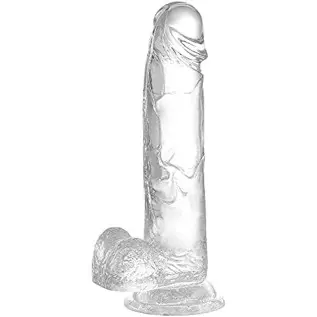

- -15%
7.3 inch Soft Realistic Dildo, Human Safety Material, with Powerful Suction Cups, Suitable for Women/Men/Gay, Adult Toys for Wom
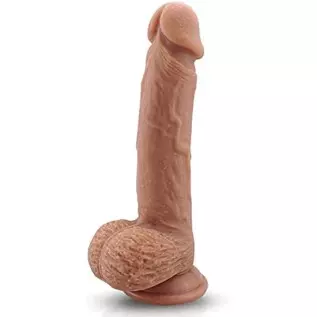
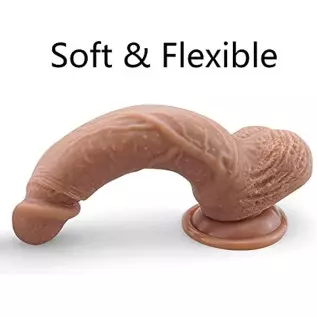
- -15%
9 Inch Silicone Realistic Dildo Soft Large Dildos for Women with Strong Suction Cup for Hands-Free, Flexible Dual Density Penis
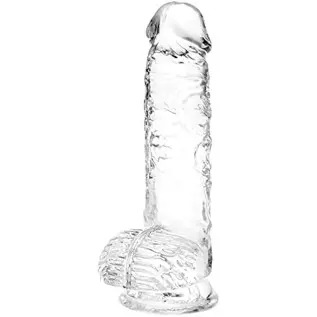

- -15%
Realistic Dildo G Spot Stimulator- 8.2" Big Dildos with Suction Cup Adult Sex Toy for Women/Men/Gay, Flexible Clear Dildo for Wo

- -15%
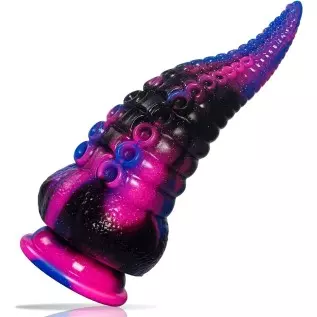
Tentacle Realistic Dildo for Women: 8.7" Big Anal Dildo with Strong Suction Cup, Huge Monster Liquid Silicone Anal Plug Prostate
- -20%
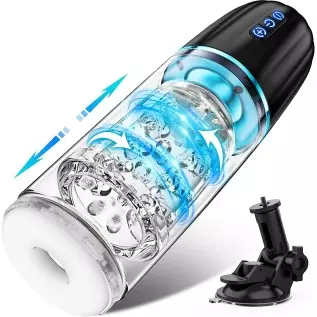
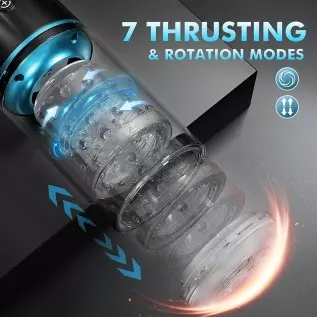
Automatic Male Masturbators Cup, Male Masturbator Toy with 7 Thrusting & Rotating, 50dB Quiet Hands Free Pocket Pussy Stroker, 3

- -20%
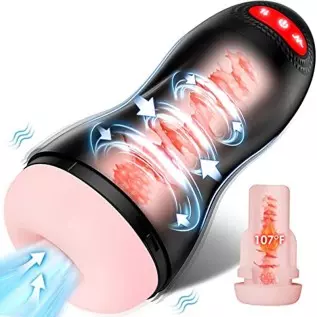
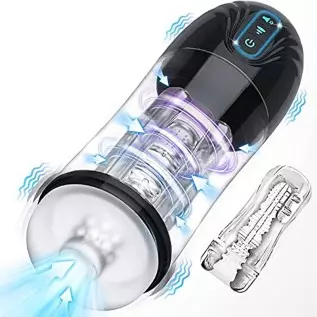
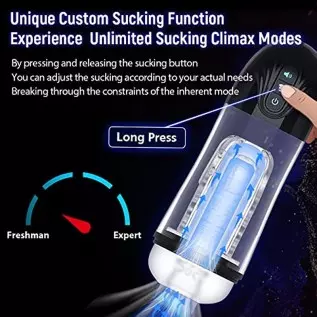
Automatic Male Masturbator, Sucking Male Masturbators Cup with 9 Suction & 10 Vibrating & Heating Mens Male Sex Toys, Hands Free
- -20%
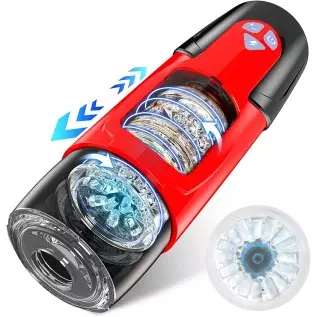
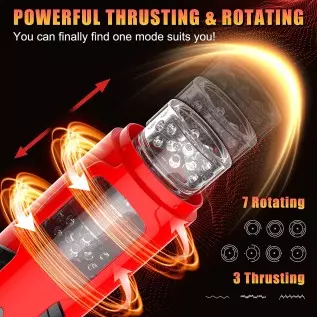
Automatic Male Masturbator, Sex Toy Male Masturbator Toy with 7 Thrusting & Rotating, Electric Pocket Pussy for Man Masturbation
- -20%

