


Three types of underwear that men must not wear! How to choose underwear?
Many male friends are very casual in their choice of underwear in life. Anyway, wear whatever you have, but did you know that not choosing the right underwear can be very harmful to sperm, and it is best not to wear some underwear. Let’s take a look at what they are!
Which underwear should not be worn?
1. Polyester underwear will kill sperm
A study found that 40% of men who wore pure polyester underwear had a significant decrease in sperm count at 14 months, and about 9% of men who wore half-cotton and half-polyester blended underwear had a decrease in sperm count at 10 months. There was no change in semen in those wearing pure cotton underwear. In addition, most men who have semen changes return to normal 4 to 8 months after changing their chemical fiber underwear.
2. It is not advisable to wear pure cotton underwear
Many people think that pure cotton clothing is the best, and some people will not buy it unless it is pure cotton. In fact, this idea is not correct. For people who sweat easily, especially men who drive frequently, pure cotton underwear absorbs sweat but does not dry out easily. If the skin is exposed to wet clothes for a long time, redness, swelling, itching, eczema or prickly heat may easily occur. Therefore, pure cotton clothing may not be the best choice for men, and it is not suitable for regular wear. Some other fabrics are more suitable for them. For example, in order to avoid the sticky feeling, you can choose Korean silk fabric, which has good water absorption and smooth feel. Pure cotton is used as the base in key parts, which is very comfortable.
3. Men should not wear briefs
Men's underwear can be divided into boxers and briefs. The testicles of the many victims under the briefs package come first. The briefs that tightly "bandage" the private parts fix the scrotum and keep it close to the abdomen. This will greatly weaken the temperature regulation function of the testicles, increase the ambient temperature around the testicles, and hinder the spermatogenesis of the testicles. Coupled with the obstruction of blood supply, fragile sperm will be severely damaged, seriously endangering fertility and making male compatriots lose the ability to be fathers.
Compared with briefs, boxer briefs reduce restraint and friction on the thighs, and are more breathable, making them more popular among men. Professor Li reminded that boxer briefs should fit as closely as possible, not too tight or too loose. Underwear that is too tight will have an impact on the reproductive organs, and underwear that is too loose will look bloated when worn under trousers.
So how should male friends choose underwear?
1. Tightness
The urologist at the hospital discovered that many men’s penises were deformed and curved to varying degrees. Investigating the reason, wearing tight underwear often is to blame. Under the constraints of tight underwear, the penis has been compressed for a long time, how can it not bend?
2. The fabric of underwear
After 20 years of research, an Egyptian medical doctor named Shafiq found that chemical fiber underwear may cause male oligozoospermia and cast a shadow on fertility. His research data shows that 40% of men who wear pure polyester underwear have a significant decrease in sperm count at 14 months, and about 9% of men who wear half-cotton and half-polyester blend underwear have a decrease in sperm count at 10 months. There was no change in semen in those wearing pure cotton underwear. In addition, most men who have semen changes return to normal 4 to 8 months after changing their chemical fiber underwear. This study confirms that polyester underwear temporarily inhibits sperm production. It will increase the temperature of the testicles and reduce plasma hormone levels, thereby inducing oligozoospermia.
3. Color of underwear
Some people like dark underwear, but they neglect that the color is dyed with dyes. Dyes are a hodgepodge of various chemical substances and contain some toxicity. As for underwear that is too white, there may be certain hidden dangers due to excessive bleaching, which increases your risk of developing allergies.

- -15%
7.3 inch Soft Realistic Dildo, Human Safety Material, with Powerful Suction Cups, Suitable for Women/Men/Gay, Adult Toys for Wom
- -15%
9 Inch Silicone Realistic Dildo Soft Large Dildos for Women with Strong Suction Cup for Hands-Free, Flexible Dual Density Penis
- -15%
Realistic Dildo G Spot Stimulator- 8.2" Big Dildos with Suction Cup Adult Sex Toy for Women/Men/Gay, Flexible Clear Dildo for Wo
- -15%
Tentacle Realistic Dildo for Women: 8.7" Big Anal Dildo with Strong Suction Cup, Huge Monster Liquid Silicone Anal Plug Prostate
- -20%
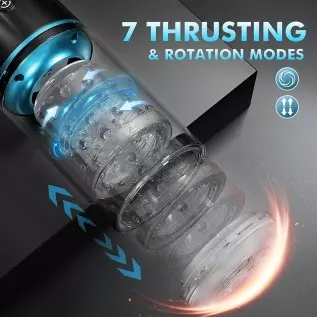
Automatic Male Masturbators Cup, Male Masturbator Toy with 7 Thrusting & Rotating, 50dB Quiet Hands Free Pocket Pussy Stroker, 3
- -20%
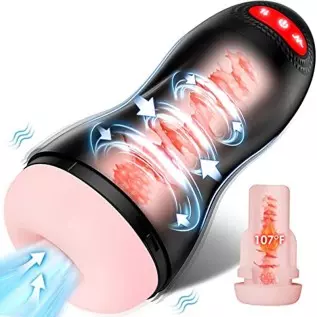
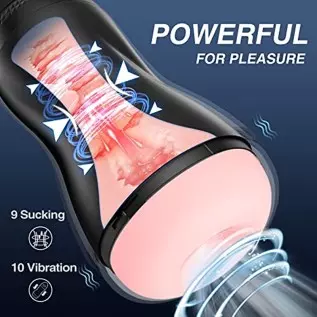
Automatic Male Masturbator, Sucking Male Masturbators Cup with 9 Suction & 10 Vibrating & Heating Mens Male Sex Toys, Hands Free
- -20%
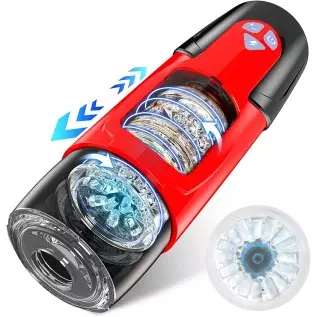
Automatic Male Masturbator, Sex Toy Male Masturbator Toy with 7 Thrusting & Rotating, Electric Pocket Pussy for Man Masturbation
- -20%

