


Sex Guide for Different Ages
Everyone hopes to have a healthier and more satisfying sex life at different stages of life, but as we age, sex sometimes becomes beyond our capabilities. To this end, the latest article published by Yahoo Women's Network in the United States publishes sexual health guidelines and sex guidelines for different age groups summarized by many sexology experts. Learning a little may rekindle the passion between both parties.
20 years old
Sexual Skills: Speak Out What You Want
Sexual health: Strict prevention of the spread of sexually transmitted diseases
Sex skills: Dr. Tracey Cox, an American sexologist, pointed out that the 20s are the period of strong sexual desire. Girls in this age group love to share sexual fantasies with members of the same sex, or want to try out sexual behaviors. They are also eager to try new sexual positions, and are eager to enter strip clubs with friends to have fun.
A survey of a group of 20-year-olds in the United States found that partners who frequently communicate about their sexual preferences have a more harmonious relationship, are happier, and have higher sexual satisfaction. Chicago sexologist Dr. Valerie Davis Raskin says the key to sexual pleasure is knowing what you want and saying it out loud.
Sexual health: Data from the U.S. Centers for Disease Control and Prevention show that almost half of sexually transmitted diseases are acquired before the age of 24. Dr. Hilda Hutcherson, professor of obstetrics and gynecology at Columbia University Medical Center, said that young people have more sexual partners and are at greater risk of sexually transmitted diseases. In a woman's 20s, the outer cells of a woman's cervix are more fragile and more susceptible to infection. There are two sexually transmitted diseases you should be concerned about: chlamydia and HPV (human papillomavirus, which can easily lead to cervical cancer). If left untreated, chlamydia can cause fallopian tube scarring, which can lead to infertility. 75% of infected people have no symptoms. Dr. Sara Dolly, a Seattle obstetrician and gynecologist, recommends annual check-ups. If the test results are positive, you should increase the number of screenings and receive antibiotic treatment. You should check again multiple times within three months. If sex is not protected, repeated infections are more likely to occur.
To prevent HPV, you should receive HPV vaccination and strictly use condoms during sex.
30 years old
Sex Skills: New Enjoyment of Sex Fast Food
Sexual health: Pay attention to gynecological symptoms
Sex skills: Dr. Cox said that in their 30s, people love to experiment with sex and seek novel stimulation. For example, change the location of sex, try outdoor sex, "couples' bathing together", blindfolded sex, etc.
In addition, most people in this age group get married and have children, and their sexual desire is not as strong as it was in their 20s. Mainly because after a woman becomes pregnant and gives birth, her figure, thoughts and sexual desire will be greatly affected. A survey found that half of women said body shape changes after giving birth affected their sex life. Another study found that women who exercised regularly during pregnancy were more satisfied with their bodies.
Cox recommends having sex 4-5 times a month during pregnancy. Sexual intercourse should be prohibited within 7 weeks after delivery. After 4 months, the normal frequency of sexual intercourse gradually returned. Husbands and wives should caress and hug each other more, and do not let the newborn affect their sexual life. They can take a break from the busy work and enjoy "sex fast food" from time to time. Dr. Raskin said that 30-year-old women should exercise more. Feeling healthy, strong and flexible can help women improve the quality of their sex life.
Sexual health: Be aware of new gynecological symptoms. Heavy menstrual bleeding and painful intercourse may be symptoms of uterine fibroids, which affect about 2/5 of women in their 30s, and half are benign fibroids, which increase the risk of miscarriage. Experts say uterine fibroids are one of the biggest reasons for hysterectomies among premenopausal women. Dr. Hutcherson said that women do not need to panic if uterine fibroids are detected. Most do not require treatment and can be reviewed regularly. If it affects your health, your doctor will recommend surgery.
40 years old
Sexual skills: deep kissing, caressing and foreplay
Sexual Health: Lubricate the levator anus to prevent dryness
Sex skills: Because they have to take care of their children and elderly parents, as well as being busy with their own careers, women in their 40s often feel a lot of pressure and their sexual interest is greatly reduced.
Dr. Hutcherson said that exercising, practicing yoga, meditating, hot baths, watching comedy movies, etc. are all good ways for women to reduce stress and increase sexual desire. In addition, science has proven that satisfactory sex is inseparable from adequate foreplay. Studies have found that for women, they don’t enter the sexual state until they start kissing and caressing. For men, they should pay attention to the differences in sexual drives between men and women, be prepared for foreplay, and sexual intercourse that both parties feel satisfied will come naturally.
Dr. Cox said that men in their 40s are prone to cheating. They like to watch porn and tell dirty jokes, but they may also suffer from ED (erectile dysfunction) problems. In addition, a woman at this stage has a stronger sexual desire and is more likely to be attracted to men younger than her. Couples in their 40s may have less sex, but put more emphasis on the quality of sex. 90% of women in their 30s have regular orgasms, compared with only 23% of menopausal women.
Sexual Health: Don’t tolerate discomfort caused by hormonal changes. Dr. Susan Trupin, a professor of obstetrics and gynecology at the University of Illinois College of Medicine, said that perimenopausal women are prone to vaginal dryness and urinary incontinence, but women can take proactive measures to deal with it. Water-based lubricants or estrogen ointments are safer solutions to vaginal dryness. Studies have found that women who have sex regularly have more vaginal lubrication. Dr. Sandra Redblum, a sexologist in New Jersey, USA, said that Kegel pelvic floor muscle training can help solve the problem of urinary incontinence. If your incontinence symptoms don't improve, you can go to the hospital for biofeedback or other treatments.

- -15%
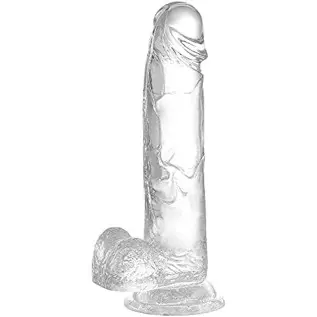
7.3 inch Soft Realistic Dildo, Human Safety Material, with Powerful Suction Cups, Suitable for Women/Men/Gay, Adult Toys for Wom


- -15%
9 Inch Silicone Realistic Dildo Soft Large Dildos for Women with Strong Suction Cup for Hands-Free, Flexible Dual Density Penis

- -15%
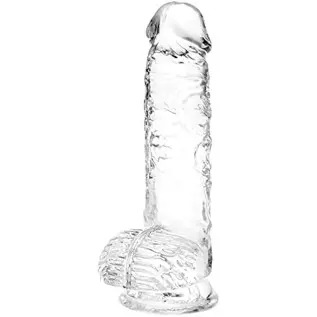
Realistic Dildo G Spot Stimulator- 8.2" Big Dildos with Suction Cup Adult Sex Toy for Women/Men/Gay, Flexible Clear Dildo for Wo


- -15%
Tentacle Realistic Dildo for Women: 8.7" Big Anal Dildo with Strong Suction Cup, Huge Monster Liquid Silicone Anal Plug Prostate

- -20%
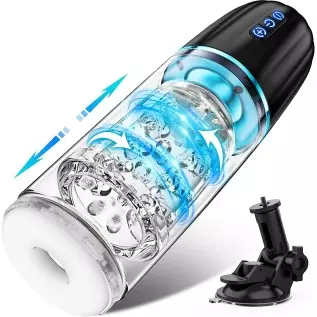
Automatic Male Masturbators Cup, Male Masturbator Toy with 7 Thrusting & Rotating, 50dB Quiet Hands Free Pocket Pussy Stroker, 3

- -20%
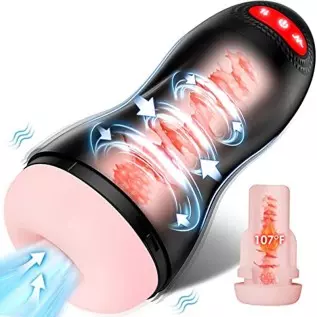
Automatic Male Masturbator, Sucking Male Masturbators Cup with 9 Suction & 10 Vibrating & Heating Mens Male Sex Toys, Hands Free


- -20%
Automatic Male Masturbator, Sex Toy Male Masturbator Toy with 7 Thrusting & Rotating, Electric Pocket Pussy for Man Masturbation


- -20%

