


Is it harmful to health if tampons are not changed for 8 hours?
Tampons are popular abroad. They are cotton cylinders. When menstruation comes, put a tampon into the vagina to absorb menstrual blood. It is clean, hygienic, refreshing and not stuffy. It will not affect normal activities. You can also swim and exercise during menstruation. It is small and easy to carry, and the risk of side leakage is low. , in short, there are many benefits. However, many people have many doubts about tampons, so you might as well find out more.
What are your doubts about tampons?
1. What are the types of tampons?
So far, there are two types of tampons. One is the finger-push type, that is, put on a finger cot and push the tampon through the penis opening with your fingers; the other is the catheter type, push the catheter into the vaginal opening, push it with your fingers, and then take out the catheter. To facilitate removal, a line is left outside the tampon. For people who have never used tampons, you might as well choose catheter-type tampons, which have less friction and are easy to operate.
2. How to use tampons correctly
First clean your hands, lift one leg and step on the toilet, hold one end of the catheter tampon with your thumb and middle finger, push it into the vagina at an angle of 45 degrees, stop when your fingers touch the body; then press the handle with your index finger The tampon is slowly pushed into the body and the outer catheter is pulled out.
3. If the tampon accidentally gets wet during urination, does it need to be replaced?
There is no need to change the tampon after it is wetted during urination. When urinating, the cotton swab should be slightly pulled toward the anus to prevent it from being wetted by urine.
4. What will happen if it is not changed for 8 hours
If the tampon is not changed for 8 hours, it will not cause much harm. However, if you use tampons continuously for many days, or if the tampon stays in the vagina for a long time, it may cause Staphylococcus aureus toxic shock syndrome. The main manifestations are rash, multiple organ and system involvement, hypotension and high fever. Therefore, you should reduce the time of continuous use of tampons and focus on hygiene and cleanliness to reduce the risk of infectious diseases.
Warm reminder
Although tampons have many benefits, they must be used correctly. Choose tampons produced by regular manufacturers; in the first few days of menstruation, try to use them at the same time as panty pads; read the instructions carefully before use; if the tampon cannot be inserted smoothly into the vagina, you can use a small amount of lubricant; to ensure To prevent menstrual blood leakage, try to change it every 4 hours; generally when taking out a tampon, just use cotton thread to pull out the tampon; if you can't find the cotton thread, you can squeeze out the tampon by urinating forcefully, but it still cannot be removed smoothly. If the tampon discharges, you need to seek medical help as soon as possible. It is worth reminding that patients with vaginitis cannot use tampons. The vaginal mucosa itself is relatively fragile. If there are still tampons, it may affect the recovery of the disease.
- -15%
7.3 inch Soft Realistic Dildo, Human Safety Material, with Powerful Suction Cups, Suitable for Women/Men/Gay, Adult Toys for Wom


- -15%
9 Inch Silicone Realistic Dildo Soft Large Dildos for Women with Strong Suction Cup for Hands-Free, Flexible Dual Density Penis

- -15%
Realistic Dildo G Spot Stimulator- 8.2" Big Dildos with Suction Cup Adult Sex Toy for Women/Men/Gay, Flexible Clear Dildo for Wo


- -15%
Tentacle Realistic Dildo for Women: 8.7" Big Anal Dildo with Strong Suction Cup, Huge Monster Liquid Silicone Anal Plug Prostate
- -20%
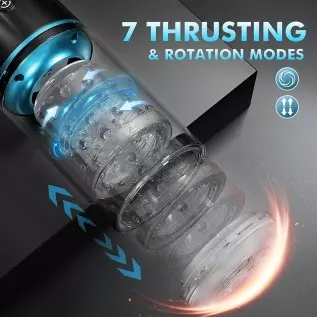
Automatic Male Masturbators Cup, Male Masturbator Toy with 7 Thrusting & Rotating, 50dB Quiet Hands Free Pocket Pussy Stroker, 3

- -20%
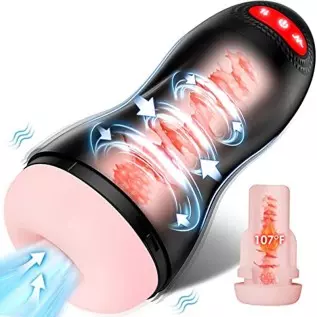
Automatic Male Masturbator, Sucking Male Masturbators Cup with 9 Suction & 10 Vibrating & Heating Mens Male Sex Toys, Hands Free
- -20%
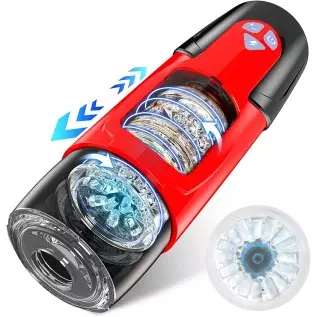
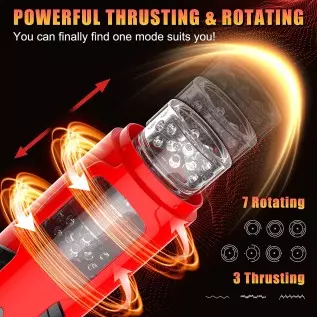
Automatic Male Masturbator, Sex Toy Male Masturbator Toy with 7 Thrusting & Rotating, Electric Pocket Pussy for Man Masturbation

- -20%