


Experts teach you tips on not quarreling
Recently, the model couple in the film and television industry Wen Zhang and Ma Yili encountered a marital infidelity crisis, and JD.com CEO Liu Qiangdong and Internet celebrity "Milk Tea Sister" were exposed for their year-long relationship... These news caused a "fight" on the Internet. People cheer for their idols and argue for the views they support.
Similar quarrels can be seen everywhere in life. Sometimes, friends are having a lively chat one second, and the next second they are quarreling over whether the United States should attack Iraq; a family goes to the park harmoniously in the morning, but in the afternoon they argue over who is taking care of the children and who is cooking. High and low... But it is not difficult for a careful person to find that the content of these quarrels and heated debates is nothing more than trivial matters such as family gossip and entertainment gossip. Even if there are "big things", most of them have nothing to do with one's own interests. But when it comes to really big things that require decision-making, such as discussing work plans, deciding where to find a job after graduation, discussing when to have children, etc., the atmosphere changes. People who were talking loudly just now shut up immediately, even for fear of "causing trouble." "And submissive.
From a psychological perspective, most people quarrel in order to satisfy the psychological needs of self-esteem and gain self-satisfaction and a sense of accomplishment through the recognition and admiration of others. Therefore, when encountering a small topic that is sure to "win", it is natural to want to "show off". Even if you lose, there will be no loss. In addition, Chinese people have always been fond of "face" since ancient times. When they have differences with others, they are easily driven by vanity to decide who is the best. But when encountering something with a high "risk coefficient", the fear of failure, fear of saying something wrong, and fear of being laughed at are at work again, making people prefer not to say anything and not to be hurt. In addition, if you make a mistake about a small matter, you won't get into trouble; but if you make a mistake about a big matter, the responsibility will be huge. The fear of taking responsibility makes many people choose to remain silent. In addition, the more incidents are involved, the easier it is to lack self-confidence. It is this kind of ambivalence that creates the "two-faced" people who "argue endlessly about small things but remain silent about big things".
It is said in "The Doctrine of the Mean" that "a gentleman should be harmonious and not irritable". Small things should be "harmony" and big things should "not flow". If you want to have a long-term relationship with others, the virtues of humility and politeness are indispensable. Therefore, on the one hand, we must know how to live in harmony with others, be good at living in harmony with all kinds of people, maintain a good public image and interpersonal relationships; put forward our own opinions and reasons, remind each other and learn from each other, instead of being like "thorns in the head" Sharp and sharp. On the other hand, we cannot succumb to the trend unconditionally and abandon our own ideas and principles. When encountering something unjust or unkind, do not tolerate it just because the other person is an elder, superior, or friend. Instead, you must adhere to your own character and ethics and maintain your independence of personality. In short, "a big belly to hold things in, a firm footing to be a man." Only by "being confused" when it comes to small things and "keeping your head clear" when it comes to big things can you gain long-term recognition and respect.
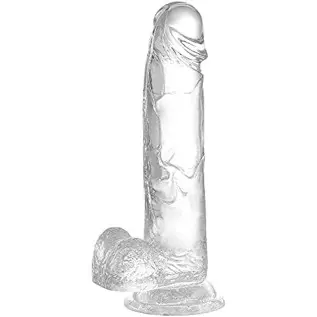

- -15%
7.3 inch Soft Realistic Dildo, Human Safety Material, with Powerful Suction Cups, Suitable for Women/Men/Gay, Adult Toys for Wom
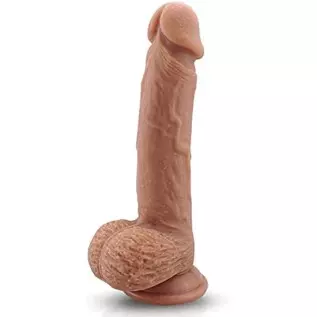
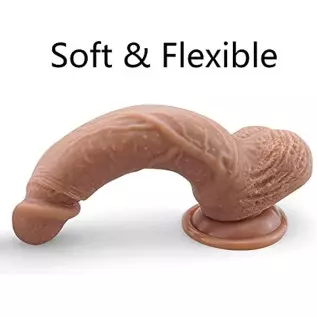
- -15%
9 Inch Silicone Realistic Dildo Soft Large Dildos for Women with Strong Suction Cup for Hands-Free, Flexible Dual Density Penis
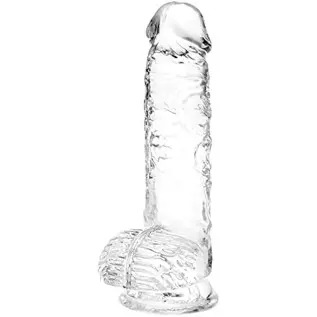

- -15%
Realistic Dildo G Spot Stimulator- 8.2" Big Dildos with Suction Cup Adult Sex Toy for Women/Men/Gay, Flexible Clear Dildo for Wo


- -15%
Tentacle Realistic Dildo for Women: 8.7" Big Anal Dildo with Strong Suction Cup, Huge Monster Liquid Silicone Anal Plug Prostate
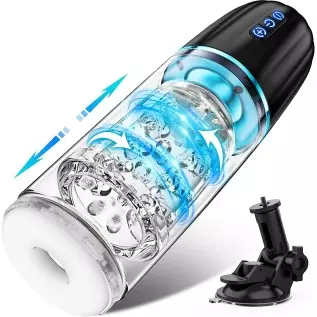

- -20%
Automatic Male Masturbators Cup, Male Masturbator Toy with 7 Thrusting & Rotating, 50dB Quiet Hands Free Pocket Pussy Stroker, 3
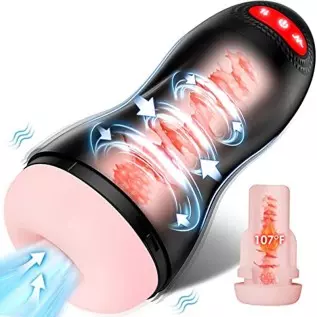

- -20%
Automatic Male Masturbator, Sucking Male Masturbators Cup with 9 Suction & 10 Vibrating & Heating Mens Male Sex Toys, Hands Free


- -20%
Automatic Male Masturbator, Sex Toy Male Masturbator Toy with 7 Thrusting & Rotating, Electric Pocket Pussy for Man Masturbation


- -20%

