


What are the tests for male impotence? Methods of treating impotence using traditional Chinese and Western medicine
In a society where the pace of life is accelerating, male friends are busy with work, which leads to the occurrence of some diseases. Impotence is a relatively common one. Impotence is the fuse of the breakdown of marital relationships. Therefore, when it comes to the treatment of impotence, you must not use drugs indiscriminately. , so what exactly is the test for male impotence? Let’s take a closer look at this issue.
What are the tests for male impotence?
1. Physical examination. A comprehensive systemic examination is performed on each patient, focusing on the reproductive system, development of secondary sexual characteristics, and cardiovascular and nervous system examinations. Abnormal development of the reproductive system and secondary sex characteristics often indicates primary or secondary hypogonadism and endocrine erectile dysfunction caused by pituitary disease. Indistinct palpation of the dorsalis pedis artery, loss of bulbocavernosus reflex, and perineal hypoesthesia indicate the possibility of vascular or neurogenic erectile dysfunction.
2. Laboratory examination. Routine hematuria and liver and kidney function are used as screening tests, focusing on detecting blood sugar and urine sugar: diabetes can often cause damage to blood vessels and nerves, and about 1/2 of diabetic patients develop erectile dysfunction complications.
3. Special inspection. Special tests include: nocturnal penile erection and hardness test (NPT), endocrine function test, and stylocavernosus injection of vasoactive drug-induced erection test.
The methods of treating impotence using traditional Chinese and Western medicine are as follows:
Western medicine treats impotence:
1. Endocrine therapy:
Sex hormones or gonadotropins are used to treat impotence. For those with primary testicular insufficiency, testosterone can be used as a replacement to treat impotence. For hypothalamic or pituitary gland diseases, gonadotropins or luteinizing hormone-releasing hormone (LH-RH) can be used. ). The half-life of testosterone propionate in plasma is 5 to 7 hours, so frequent administration is required, which is troublesome. If you plan to take long-term medication for impotence, you can choose long-acting testosterone such as testosterone enanthate or testosterone cypionate.
2. Hormone treatment:
For patients with confirmed impotence accompanied by hypogonadism, there are reasons to initiate androgen therapy. The long-acting formulations of testosterone, testosterone cypionate and testosterone enanthate, are the least expensive androgen replacement therapies and are effective in restoring normal serum testosterone levels. Both preparations are injected into deep muscles to treat impotence. Blood testosterone exceeds physiological levels within 72 hours, and then decreases steadily within 2 to 3 weeks. Testosterone Cypionate and Testosterone Enanthate are usually given as injections of 200mg-400mg every 2-4 weeks. Testosterone propionate has a short half-life and needs to be injected every other day.
Treatment of impotence with traditional Chinese medicine:
1. Centipede Luffa Seed Powder
1 centipede, 30 loofah seeds, 15g licorice, appropriate amount of vinegar. Bake the centipede, stir-fry the loofah seeds until fragrant, and grind together the licorice into fine powder. Take it in 2 times, along with light vinegar soup, once in the morning and once in the evening, for 7 days as a course of treatment. It is mainly used to treat impotence.
2. Red ginseng and rehmannia soup
Red ginseng log, Rehmannia glutinosa 30g, Astragalus 25g, Atractylodes 15g, Morinda officinalis 15g, Dogwood log, Baiziren log, Schisandra 5g, Polygala 5g, Cinnamon 5g, Lycium barbarum 15g, Wuyao 15g. Decoction in water, 1 dose per day, divided into morning and evening, 1 week as 1 course of treatment. Mainly used to treat impotence in the elderly.
- -15%
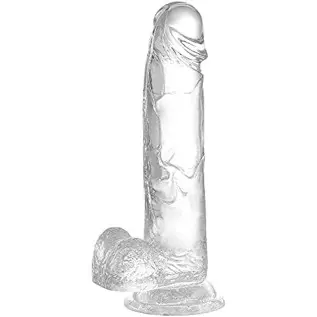
7.3 inch Soft Realistic Dildo, Human Safety Material, with Powerful Suction Cups, Suitable for Women/Men/Gay, Adult Toys for Wom
- -15%
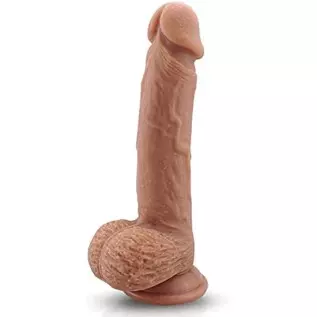
9 Inch Silicone Realistic Dildo Soft Large Dildos for Women with Strong Suction Cup for Hands-Free, Flexible Dual Density Penis

- -15%
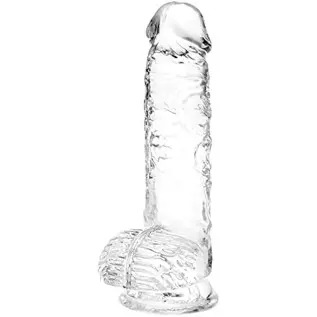
Realistic Dildo G Spot Stimulator- 8.2" Big Dildos with Suction Cup Adult Sex Toy for Women/Men/Gay, Flexible Clear Dildo for Wo

- -15%
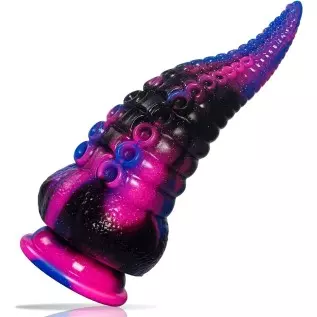
Tentacle Realistic Dildo for Women: 8.7" Big Anal Dildo with Strong Suction Cup, Huge Monster Liquid Silicone Anal Plug Prostate
- -20%
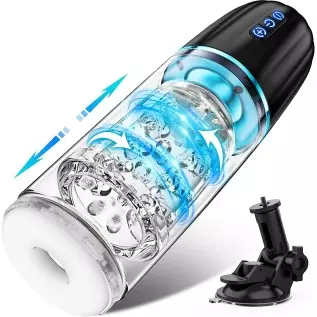
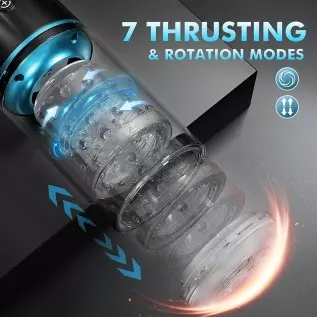
Automatic Male Masturbators Cup, Male Masturbator Toy with 7 Thrusting & Rotating, 50dB Quiet Hands Free Pocket Pussy Stroker, 3
- -20%
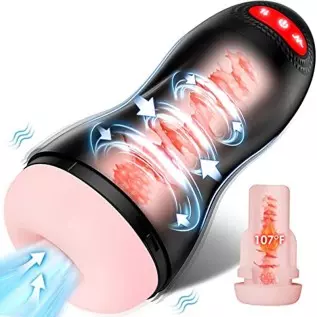
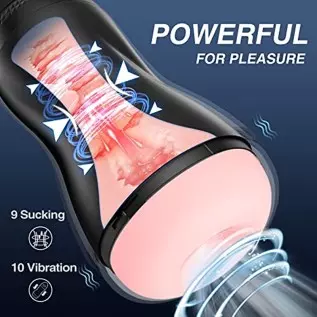
Automatic Male Masturbator, Sucking Male Masturbators Cup with 9 Suction & 10 Vibrating & Heating Mens Male Sex Toys, Hands Free
- -20%
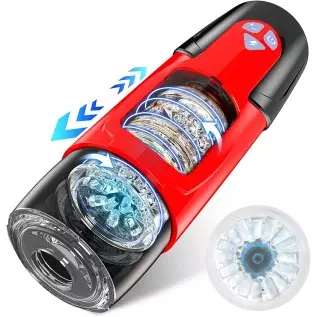
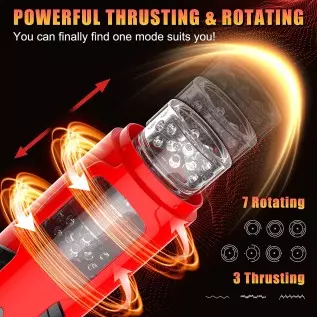
Automatic Male Masturbator, Sex Toy Male Masturbator Toy with 7 Thrusting & Rotating, Electric Pocket Pussy for Man Masturbation
- -20%