


Warning: People with sexually transmitted diseases are most vulnerable to HIV infection
AIDS is a type of sexually transmitted disease. AIDS is closely related to other sexually transmitted diseases. Medically, STD patients are called high-risk groups for AIDS, and it is believed that general STDs can promote the spread of AIDS.
At present, there are more than 20 types of sexually transmitted diseases listed in foreign countries. According to the actual situation in my country, the "Measures for the Management of Sexually Transmitted Diseases" issued by the Ministry of Health on August 12, 1991 stipulates that there are 8 types of sexually transmitted diseases that are legally managed in my country, including AIDS, gonorrhea, syphilis, chancroid, and lymphogranulosis venereum. urethritis, non-gonococcal urethritis, genital warts and genital herpes. Among them, AIDS, gonorrhea and syphilis are Category II infectious diseases regulated by the "Infectious Disease Prevention and Control Act", and AIDS is one of the diseases under compulsory management.
Sexually transmitted diseases are not only spreading rapidly in developed countries, but also the prevalence rate is increasing in many developing countries. In particular, the growth rate of AIDS in developing countries has been much faster than that in developed countries. The number of new STD patients worldwide every year exceeds 100 million, and on average, one person is infected with HIV every minute.
Why are STD patients susceptible to AIDS
AIDS is a type of STD. AIDS is closely related to other STDs. In medicine, STD patients are called AIDS patients. High-risk groups, and believe that general STDs can promote the spread of AIDS. The main reasons for this phenomenon are:
1. Almost all sexually transmitted diseases are transmitted through sexual contact, and this is the main transmission route of AIDS.
2. Most patients with sexually transmitted diseases suffer from ulcers in the vagina and external genitalia, which provides favorable conditions for the invasion of HIV, making it easy for it to enter the human body and spread rapidly.
3. When sexually transmitted disease pathogens infect people, they often cause inflammatory reactions, and inflammation increases lymphocytes. Since lymphocytes are the target cells for HIV to attack, their rapid increase attracts HIV to invade. role.
4. Patients with sexually transmitted diseases are mainly infected through sexual promiscuity and unclean sex, and the sexual partners they come into contact with are often infected with a variety of sexually transmitted diseases. Likewise, co-infection with HIV can also occur.
From this point of view, to prevent AIDS, we must severely crack down on whoring and prostitution and control general sexually transmitted diseases. Without solving the problem of sexually transmitted diseases, it is impossible to control AIDS.
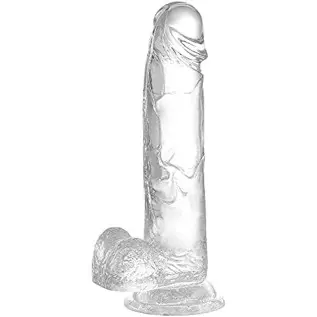

- -15%
7.3 inch Soft Realistic Dildo, Human Safety Material, with Powerful Suction Cups, Suitable for Women/Men/Gay, Adult Toys for Wom


- -15%
9 Inch Silicone Realistic Dildo Soft Large Dildos for Women with Strong Suction Cup for Hands-Free, Flexible Dual Density Penis


- -15%
Realistic Dildo G Spot Stimulator- 8.2" Big Dildos with Suction Cup Adult Sex Toy for Women/Men/Gay, Flexible Clear Dildo for Wo


- -15%
Tentacle Realistic Dildo for Women: 8.7" Big Anal Dildo with Strong Suction Cup, Huge Monster Liquid Silicone Anal Plug Prostate
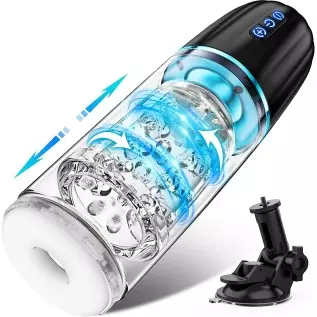

- -20%
Automatic Male Masturbators Cup, Male Masturbator Toy with 7 Thrusting & Rotating, 50dB Quiet Hands Free Pocket Pussy Stroker, 3
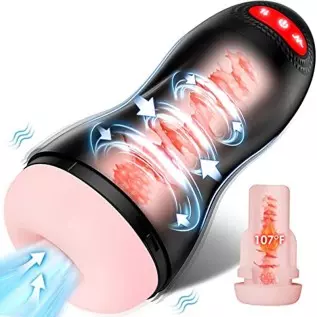

- -20%
Automatic Male Masturbator, Sucking Male Masturbators Cup with 9 Suction & 10 Vibrating & Heating Mens Male Sex Toys, Hands Free


- -20%
Automatic Male Masturbator, Sex Toy Male Masturbator Toy with 7 Thrusting & Rotating, Electric Pocket Pussy for Man Masturbation


- -20%