


Beware: Six sexual health myths may lead to infertility
One of the misconceptions: Everything will be OK if you pass the routine gynecological examination
Recently, a US health agency survey found that most women know nothing about sexually transmitted diseases; only 1/4 of women know a little bit about it. Chlamydia infection (one of the most common sexually transmitted diseases) can lead to infertility; nearly half of women believe that no matter what the problem is, a routine annual physical examination can detect it - unfortunately, this is far from the truth.
In China, this situation is more common. A gynecologist at the First Affiliated Hospital of Peking University told us that in gynecological outpatient clinics, only a few people actively request to ask the doctor for sexual transmission. Laboratory tests for diseases.
Doctor’s advice is: Never place all your hopes on routine gynecological examinations. If you suspect that you have a sexually transmitted disease, even if the possibility is extremely slim, you should notify your doctor in time and tell all the symptoms in detail. For example: odorous discharge, painful urination, blisters, etc.
Misconception No. 2: If you have an STD, you will definitely feel it
This is a big mistake. Many sexually transmitted diseases (such as papillomavirus, chlamydia infection, herpes, etc.) often harm the human body silently, and the patients themselves do not feel abnormal. Compared with men, such diseases are more hidden and more sensitive in women's bodies. Not easy to detect in time.
If not treated in time, sexually transmitted diseases will affect other organs of the female body. For example, papillomavirus may cause cervical cancer; chlamydia infection may cause pelvic inflammatory disease and lead to infertility. Don’t take it lightly!
Misconception No. 3: You can’t get pregnant without ejaculation; you can’t get pregnant even if you have sex during menstruation
Contraceptive methods for in vitro ejaculation. The lubricating fluid (prostatic fluid) secreted by our lover during "foreplay" contains part of the semen. Moreover, don't place too much hope on a man's control ability. It is difficult to guarantee that everything will be foolproof before the orgasm. In fact, most men have semen leakage, and the quantity and activity of sperm are sufficient to cause pregnancy. If you ejaculate in the genital area without entering the vagina, it is not impossible to get pregnant. Motivated sperm may enter the vagina and continue toward the uterus. In addition, most people believe that there is no need to worry about pregnancy if you have sex during menstruation. But the fact is: there is indeed a precedent for pregnancy caused by intercourse during menstruation.
This is caused by irregular ovulation. Most women ovulate around the 14th day after the start of menstruation, but if the ovulation period is advanced and the sperm vitality is strong, pregnancy is likely to occur. The average number of sperm in a man's ejaculation is about 300 million. These sperm can survive in a woman's body for about 7 days. If a woman ovulates early, she is very likely to become pregnant. Therefore, you must take necessary contraceptive measures even during your menstrual period.
Misconception No. 4: Continuous use of birth control pills will not only stop menstruation, but also reduce the risk of breast cancer
Only the first half of the sentence is correct. We know that continuous use of birth control pills can temporarily stop menstruation. And judging from relevant records, women with infrequent menstruation have a lower rate of breast cancer, but this is not as simple as one plus one equals two. In fact, continuing to take birth control pills does not reduce the risk of breast cancer. The reason is:
Whether you develop breast cancer depends on the level of estrogen secretion. Breast cancer was rare among women in ancient societies because women began giving birth just after puberty and experienced several pregnancies throughout their lives. During pregnancy and lactation, the ovaries are at rest and no longer produce estrogen. The lower the estrogen level in a woman's body, the lower her chance of developing breast cancer. So from a purely physiological point of view, the sooner a woman starts having children, the better. However, in modern society, our childbearing age has been greatly pushed back.
There is a misconception that continued use of birth control pills can reduce the risk of breast cancer. In fact, on the contrary, taking birth control pills cannot reduce estrogen levels in the body, but will also increase estrogen levels. Therefore, from a purely theoretical point of view, it should increase the risk of breast cancer, but in reality, there is no inevitable relationship between the two. Women who have taken birth control pills for a long time do not need to worry too much. Moreover, the estrogen content of contraceptive pills developed by modern technology has been much lower than before.
Misconception No. 5: Using contraceptives will prevent you from contracting sexually transmitted diseases
Among the many contraceptive tools, only condoms have this dual function of preventing pregnancy and preventing sexually transmitted diseases. The following is an analysis of the ability of several contraceptive tools to resist sexually transmitted diseases:
1. Oral contraceptive pills: It is powerless to prevent infection with sexually transmitted diseases.
2. Cervical cap and intrauterine diaphragm: they provide some protection to the fallopian tubes, but their ability to protect the vagina is very insufficient.
3. Intrauterine IUD: This form of contraception actually increases a woman’s risk of sexually transmitted diseases because other protection is no longer needed to prevent pregnancy.
4. Sterilization surgery: Reduces the risk of pelvic inflammatory disease, but the risk of cervical and vaginal infections still exists.
Misconception No. 6: Oral contraceptives are harmful to the body
For women who smoke, oral contraceptives do have certain hazards. They may suffer from heart disease, stroke, etc. Victims of disease, women who do not smoke do not have to worry about this problem at all.
Survey by American medical institutions: Women who take birth control pills have a 40% to 60% lower chance of developing ovarian cancer than women who do not take the pill, and a 50% lower chance of developing endometrial cancer. The chance of developing ovarian cysts is also relatively reduced. . Oral contraceptive pills can also help prevent pelvic inflammatory disease because taking them regularly thickens cervical mucus, which blocks the growth of bacteria. In addition, oral contraceptives reduce the risk of ectopic pregnancy and can also help women with osteoporosis problems during menopause.
If you plan to use contraceptives, please note:
1. If you have a family history of heart disease, stroke, and cardiovascular disease, or have had breast cancer, intrauterine membrane cancer or liver disease, it is better to switch to other methods.
2. If you are over 35 years old and smoke, it is also recommended to use other methods of contraception.
3. Contraceptive drugs cannot be taken together with antibiotics, because it will affect the properties of the drug and lead to contraceptive failure.
4. Contraceptive pills must be taken for a complete cycle before being stopped, otherwise it will cause menstrual disorders.


- -15%
7.3 inch Soft Realistic Dildo, Human Safety Material, with Powerful Suction Cups, Suitable for Women/Men/Gay, Adult Toys for Wom


- -15%
9 Inch Silicone Realistic Dildo Soft Large Dildos for Women with Strong Suction Cup for Hands-Free, Flexible Dual Density Penis


- -15%
Realistic Dildo G Spot Stimulator- 8.2" Big Dildos with Suction Cup Adult Sex Toy for Women/Men/Gay, Flexible Clear Dildo for Wo


- -15%
Tentacle Realistic Dildo for Women: 8.7" Big Anal Dildo with Strong Suction Cup, Huge Monster Liquid Silicone Anal Plug Prostate
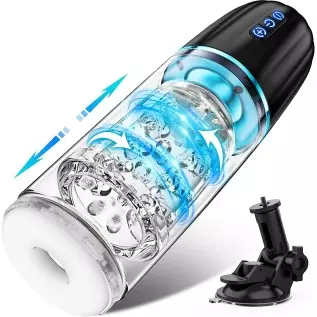

- -20%
Automatic Male Masturbators Cup, Male Masturbator Toy with 7 Thrusting & Rotating, 50dB Quiet Hands Free Pocket Pussy Stroker, 3
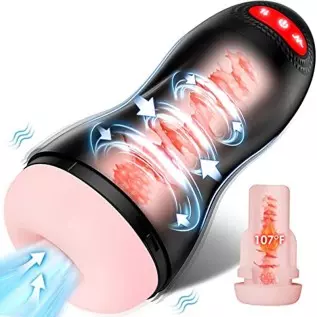
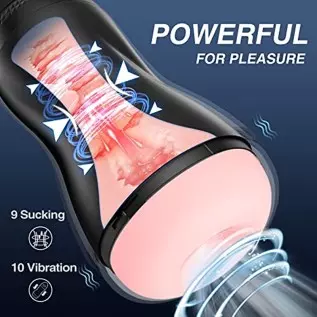
- -20%
Automatic Male Masturbator, Sucking Male Masturbators Cup with 9 Suction & 10 Vibrating & Heating Mens Male Sex Toys, Hands Free


- -20%
Automatic Male Masturbator, Sex Toy Male Masturbator Toy with 7 Thrusting & Rotating, Electric Pocket Pussy for Man Masturbation


- -20%